
Tatsunosuke Kitazawa (played by Snow Man‘s Hikaru Iwamoto) is a stoic, ultra-disciplined bodyguard who left the police force after his father—also an officer—was killed in the line of duty.
He now works as a bodyguard at a private security firm, and continues the hunt for his father’s killer while taking on a high-risk 24-hour protection job. His new client is Rika Kishimura (played by Mai Shiraishi), a brilliant and headstrong lawyer who’s being targeted due to a past case.
Despite their clashing personalities, circumstances force them to live under the same roof, and feelings begin to shift as they navigate danger, investigations, and inching attraction.

STORY OVERVIEW
Kitazawa Tatsunosuke works as an elite bodyguard for RACCO, a private security firm. He is the ace of the company with excellent athletic abilities and strong self-control. He is currently working on finding the person who killed his father, a police officer who was stabbed to death during a robbery. Tatsunosuke had followed in his father’s footsteps to catch his killer, but he found it difficult to work in the police while also working on the case, so he left the force and became a bodyguard in order to spend more time on the case.
Tatsunosuke gets assigned a new client by his company, Rika Kishimura, who works as a lawyer. The director at her firm worries about her safety due to threats stemming from a case she handled, and has hired Tatsunosuke to protect her 24 hours a day. Rika, however, resents being guarded and chafes at any restriction, making her a challenging charge. As Rika and Tatsunosuke are forced to live together despite their complete lack of compatibility, romantic tension inevitably starts to build. The narrative fuses romance, crime investigation, and high-energy action in a unique format that feels both refreshing and emotionally grounded.
Written by Arisa Kaneko, known for works such as “Train Man: Densha Otoko” (電車男) and “An Incurable Case of Love” (恋はつづくよどこまでも), this original series marks Hikaru Iwamoto‘s debut as the main lead in a drama. “Koisuru Keigo 24 Ji” offers a thrilling and heartwarming blend of mystery, action, and romance—a brand-new type of investigative action rom-com that will make hearts race and flutter.
“LOVE TRIGGER,” Snow Man‘s tenth single, is the official ending theme of the first season. This is a passionate and intense love song that explores the overwhelming, almost addictive emotions of falling for someone irresistibly captivating. The lyrics describe a love that feels dangerous and consuming—like a “trigger” that sets off uncontrollable desire. The narrator is emotionally hooked, constantly thinking about their lover, unable to resist or rewind their feelings. Despite knowing the risks, they long to be close, craving both emotional and physical connection. The track captures the thrill, obsession, and vulnerability of deep infatuation, with a blend of seduction and devotion.
REGULAR CHARACTERS
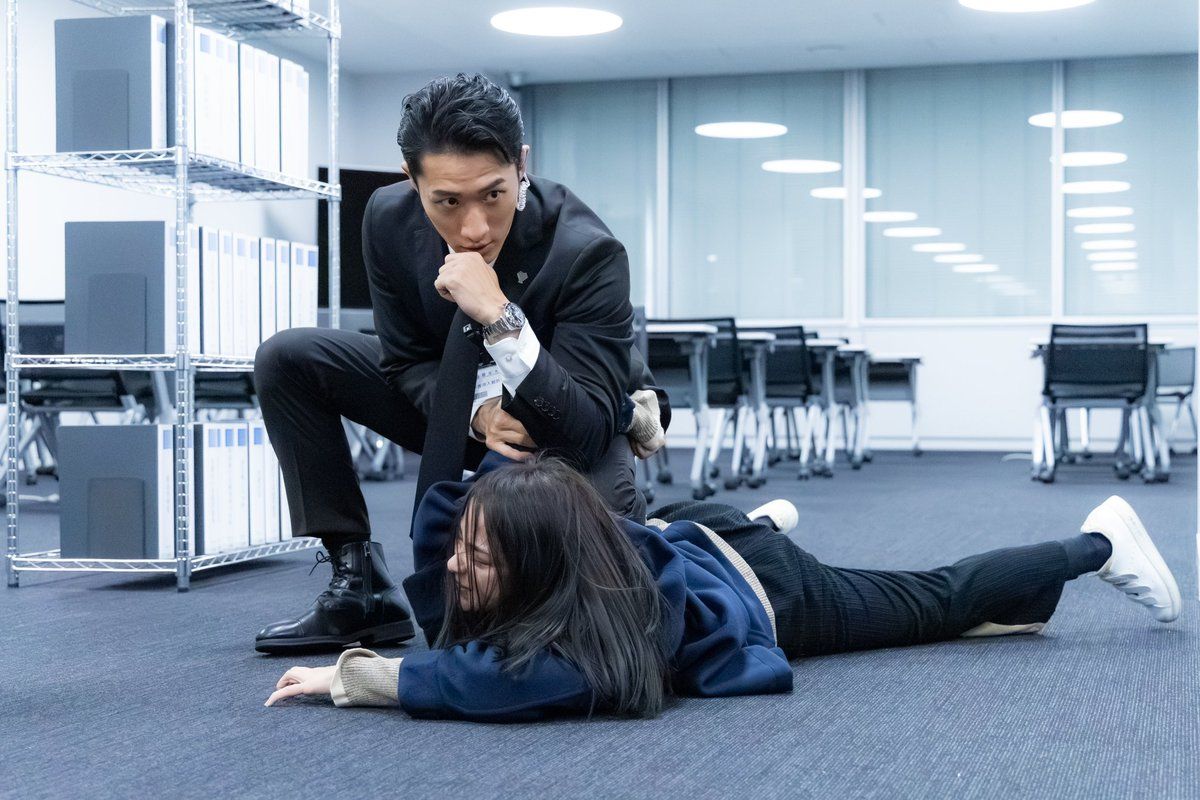
Tatsunosuke Kitazawa (Hikaru Iwamoto from Snow Man) is athletic, tough, reserved, calm, and is usually two to three steps ahead of a situation. Despite his serious and inflexible edge, he hides a fondness for sweets and is deeply haunted by his late father’s unresolved case. He is determined to find his killer (who is played in flashbacks by Nao Oriyama from Shonen Ninja) and brings that drive to every mission.
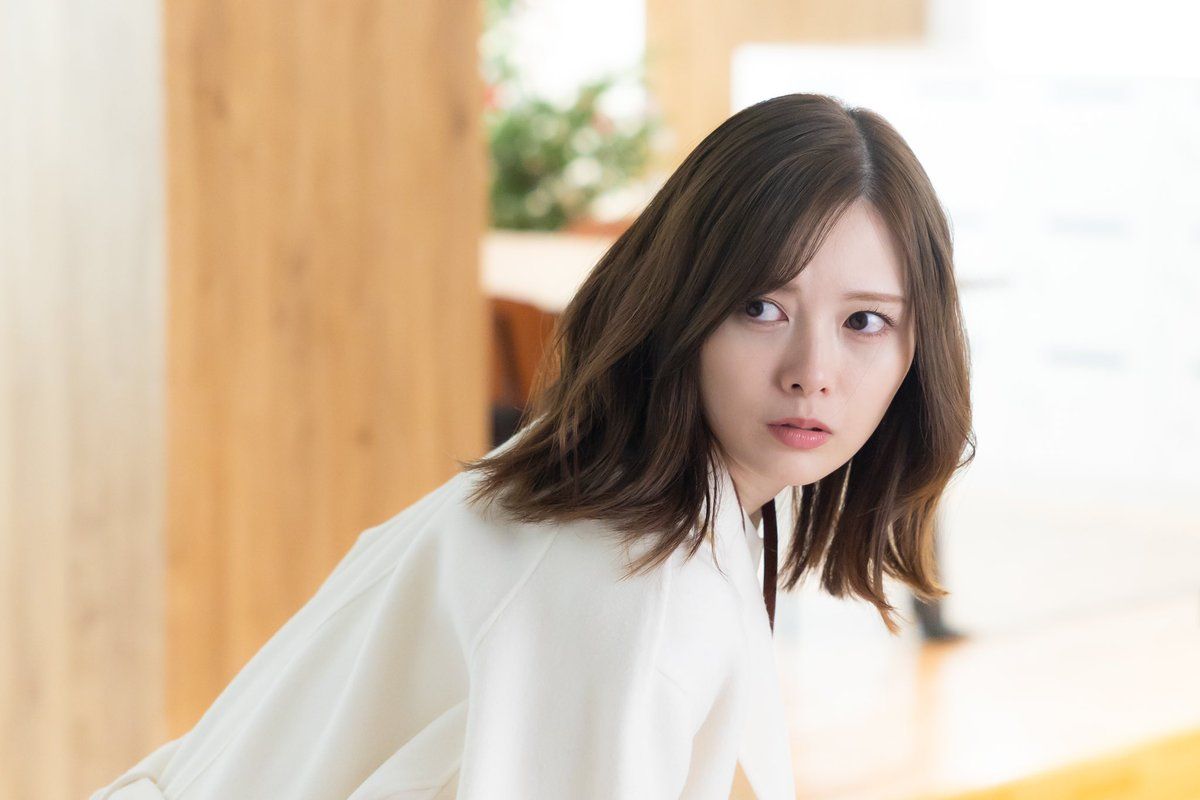
Rika Kishimura (Mai Shiraishi) is smart, free-spirited, stubborn, and bluntly honest. She’s the kind of woman who gets under your skin, in a good way. While professional and dedicated, she’s also clumsy and accident‑prone at times. Due to greatly valuing her independence, however, she often dismisses the need for protection, leading to constant friction with Tatsunosuke.
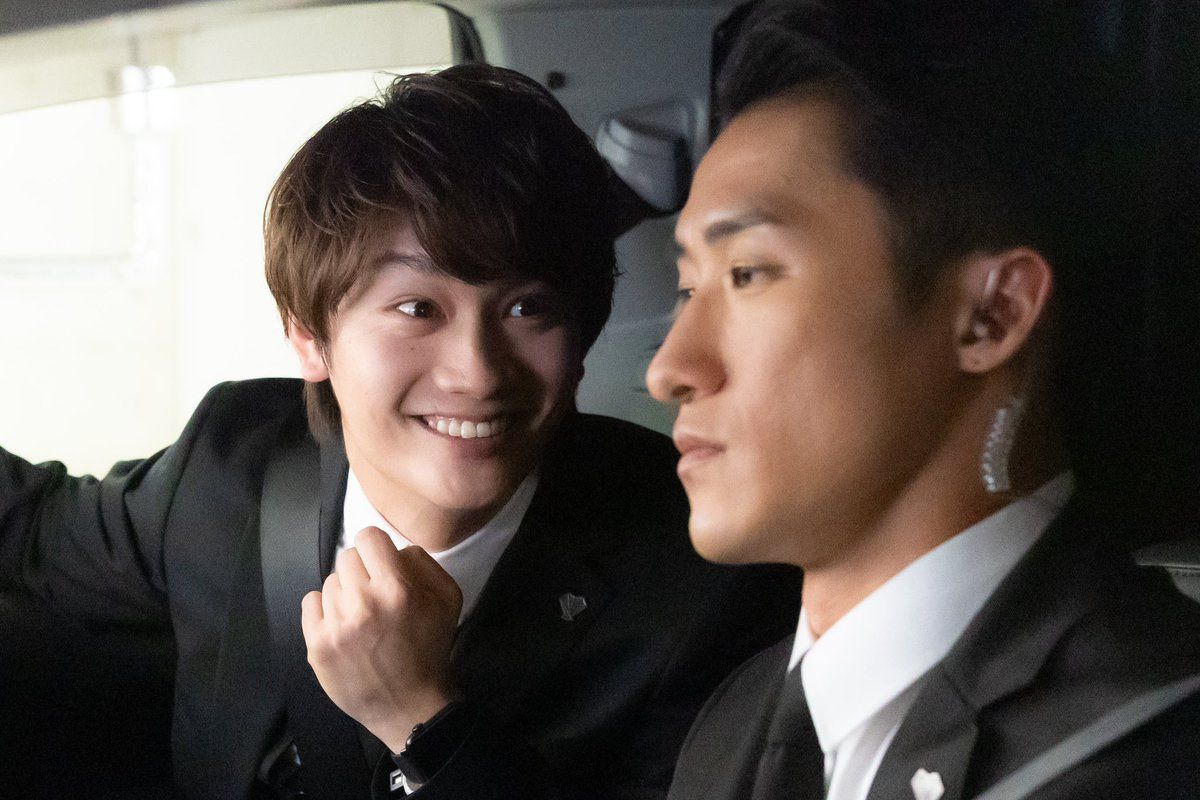
Minato Hara (Fujiwara Joichiro of Naniwa Danshi) is Tatsunosuke‘s junior work partner and closest ally. Where Tatsunosuke is silent and serious, Minato is expressive, tech-savvy, and socially agile, acting as a foil to the former’s stoicism. He is also loyal to a fault—in one episode, he risks disobeying orders to back up Tatsunosuke, believing in his instincts over protocol.
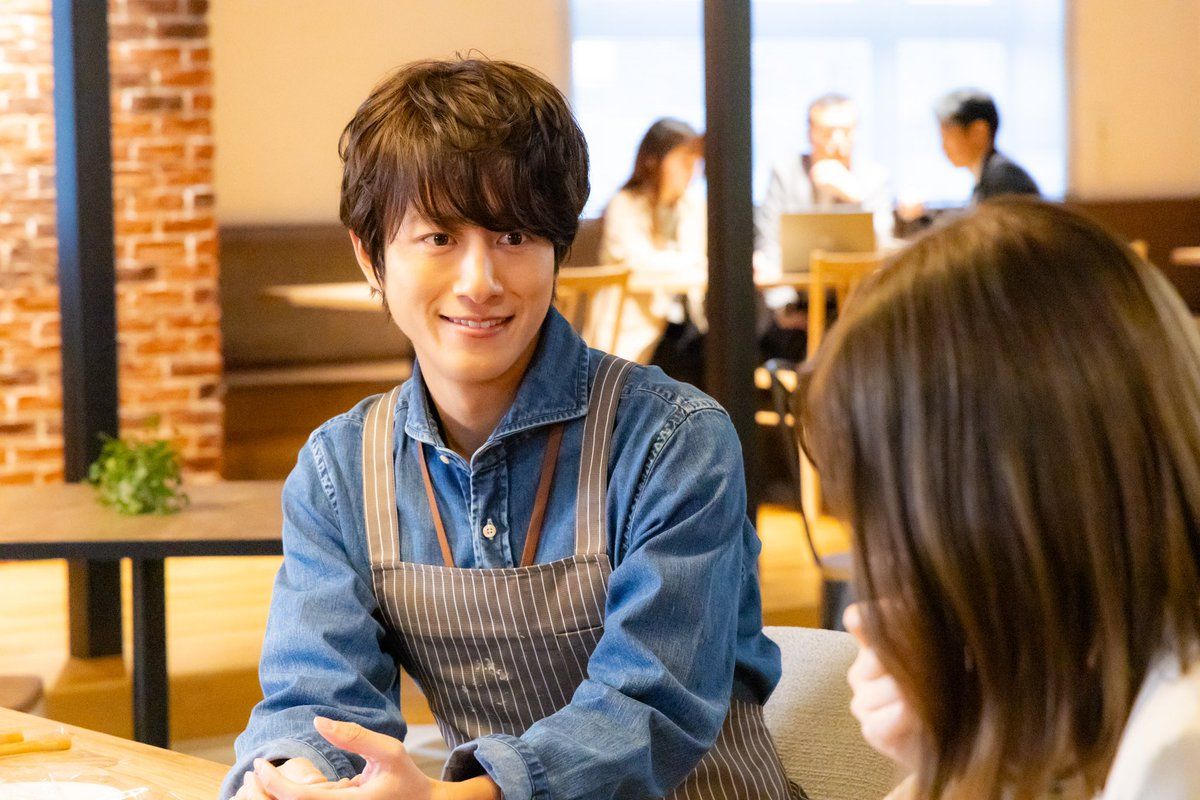
Togo Urushibara (Junpei Mizobata) is a charming entrepreneur and a high-profile client of Rika‘s law firm. He enters the story as a romantic rival interest, raising the emotional stakes in the second episode onward.
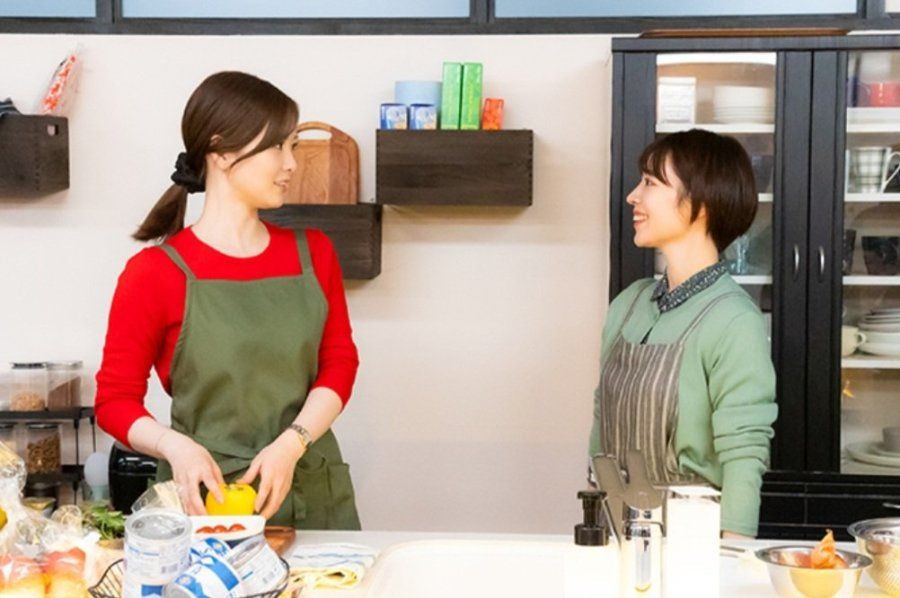
Yuiko Tsuda (Ayako Yoshitani) is a nurse who dated Tatsunosuke during his police days. Her calm and caring presence makes Rika feel both insecure and introspective. Thematically, she acts as a ghost of a previous self, representing what Tatsunosuke lost when he traded emotional openness for professional control.
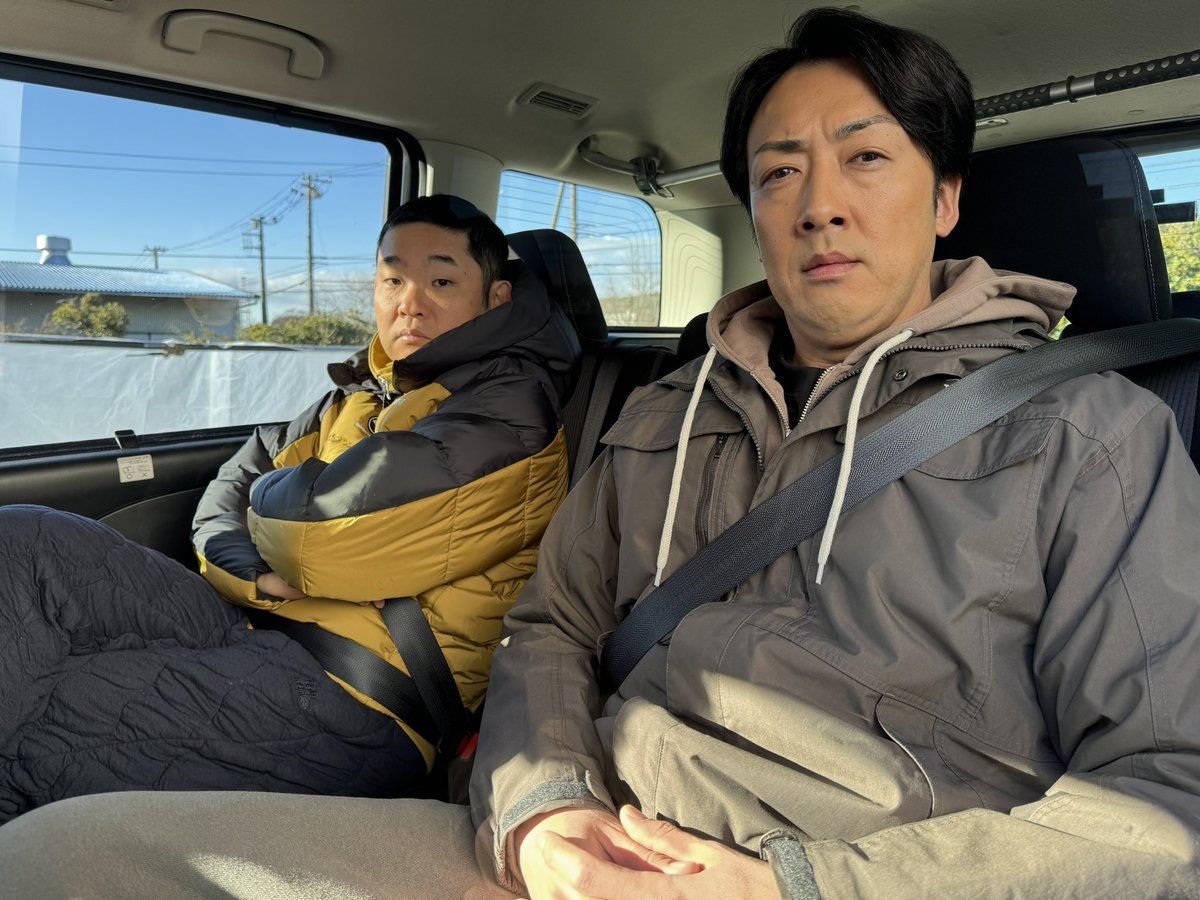
Atsunori Shiya (Hiroki Konno) and Kota Murata (Keigo Kitamura) are Tatsunosuke‘s senior colleagues at RACCO and act as grounding figures for both him and Minato. They rarely push others, but usually offer the right advice at the right moment.
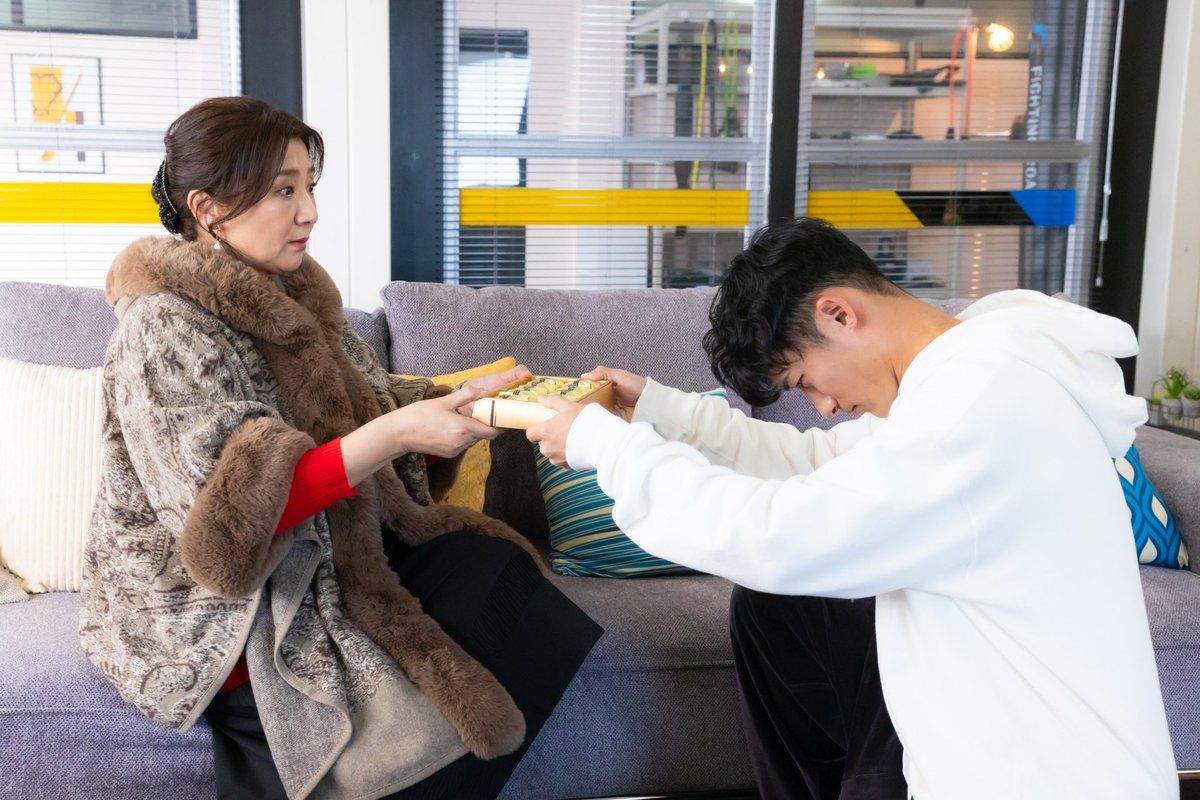
Kazue Tsukamoto (Yuki Matsushita) is the president of RACCO Security. She has a clear, unwavering sense of justice, making her something of a moral compass for Tatsunosuke, especially when his grief begins to cloud his judgment.

Kenji Yabuki (Ono Takehiko) is the director of the law firm Rika is in. He’s stern but thoughtful, and is the one who requests Tatsunosuke‘s 24-hour protection assignment. His mentorship toward Rika is based on deep trust and admiration. He also has a shadowy connection to the case regarding Tatsunosuke‘s father, adding layers to his motivations.
MAIN THEMES
Protection as a Metaphor for Emotional Guarding
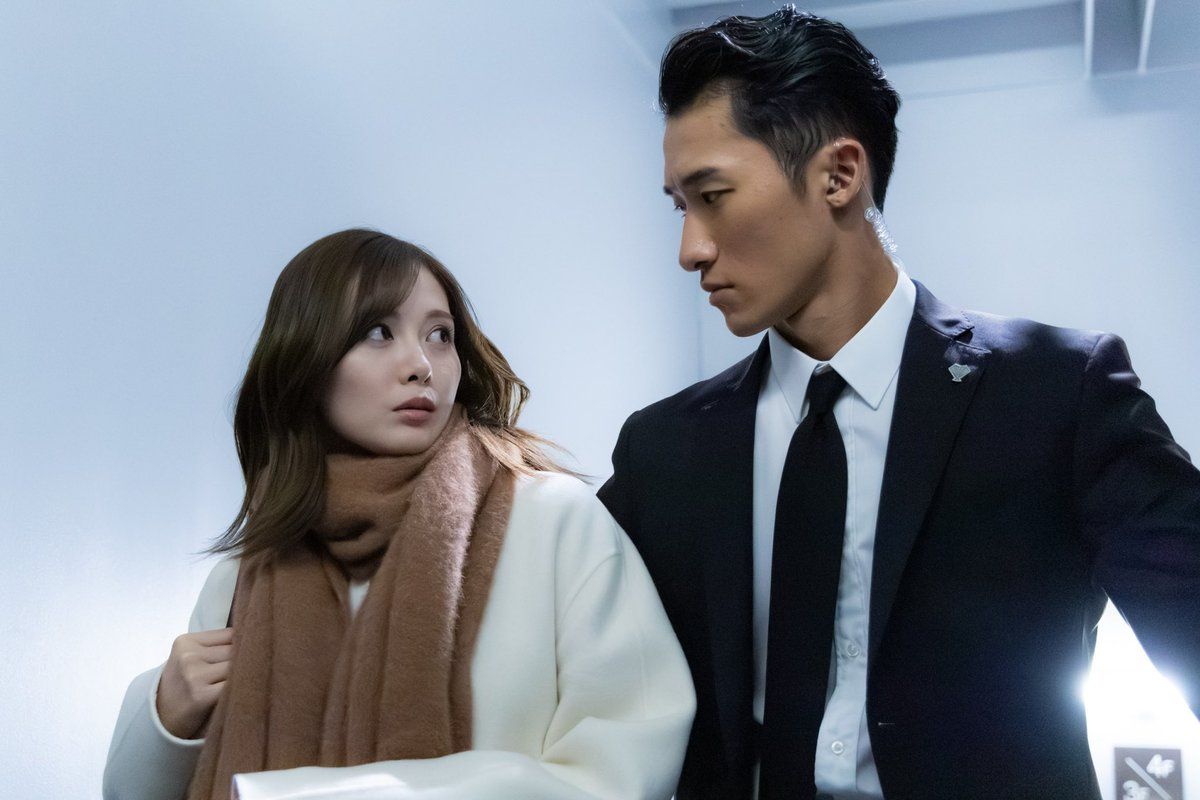
On the surface, the series centers around a literal 24-hour bodyguard assignment, but, as the story progresses, it’s clear that “protection” is a metaphor for defense mechanisms. Tatsunosuke guards not only Rika but also himself—from grief, attachment, and possibly failure. His perfectionism and calm judgment stem from trauma: the unresolved murder of his father. He hides this behind his professionalism and rigid discipline.
Rika, on the other hand, insists she doesn’t need protection. Her refusal of bodyguarding mirrors her fear of depending on others. Her independence has hardened into stubborn self-reliance, even when danger is real. Key episodes use visual metaphors like doors, shields, or physical barriers to show when these walls start to come down. When Tatsunosuke lets Rika into his personal life—like sharing a dessert or talking about his father—it’s not just intimacy; it’s vulnerability that threatens his sense of control.
Trust Under Pressure

Unlike most romantic dramas, where affection builds through leisure or banter, this show creates connection under threat, for the most part. The romance is embedded in high-stress environments, which transforms the question of “Do you like me?” into a more complex “Can I rely on you when it counts?”
The way Tatsunosuke protects Rika, while respecting her autonomy, makes the latter start to see value not in strength alone, but in reliability and subtle care—the kind Tatsunosuke demonstrates through quiet but powerful gestures (letting her sleep on his room, watching from a distance, respecting her space, etc). This flips the “damsel in distress” trope on its head. Rika is not helpless; she simply chooses to trust someone who has earned it.
Justice VS. Revenge
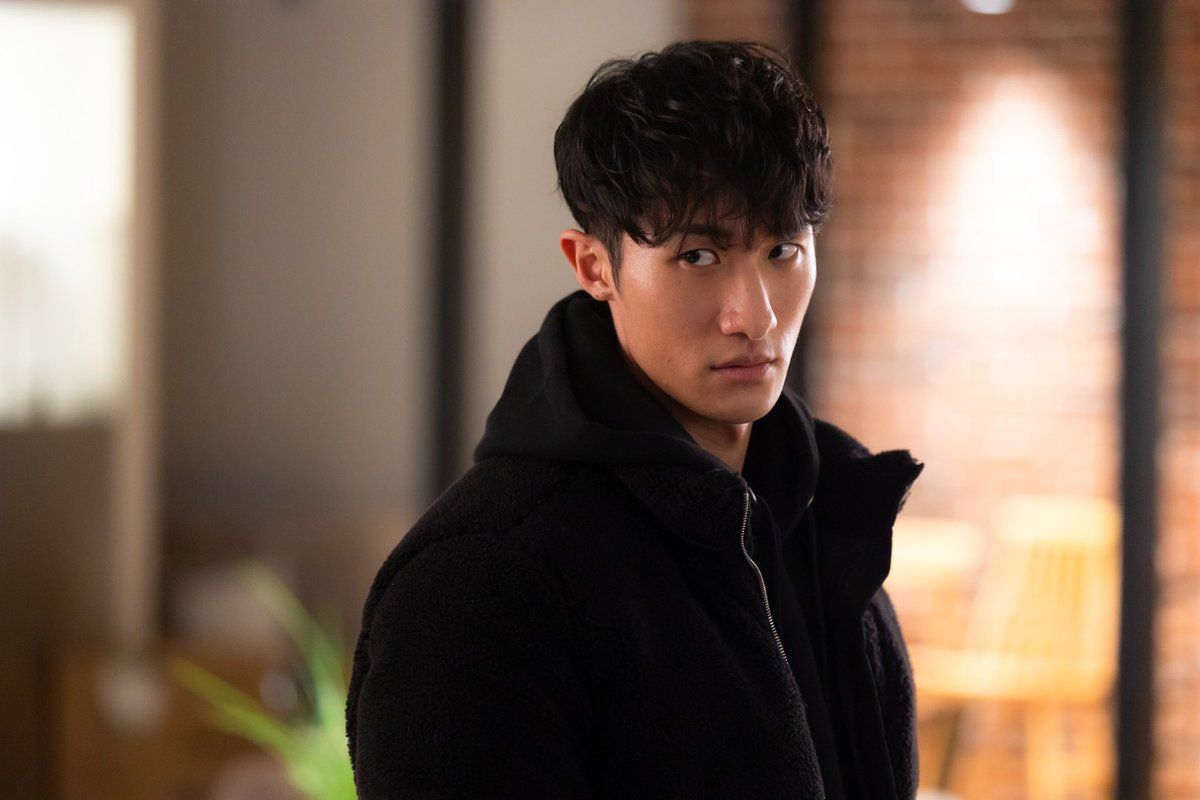
Tatsunosuke wants justice for his father, but the more he investigates, the more emotionally compromised he becomes. He struggles with the idea that true justice might require patience, procedure, and even letting go of personal bias.
On the flip side, Rika, as a lawyer, believes in systems—but when those systems fail (e.g., cases where clients get hurt), she too wavers. Her brush with danger makes her question whether law alone is enough to protect people. In this way, the drama explores a moral gray area: What do you do when the law can’t catch the culprit? When protection systems fail? Can vigilante action ever be justified? These dilemmas unfold gradually, making the drama more philosophical than it first appears.
The Sweetness Behind Stoicism

A recurring motif is sweets—used as another foil to Tatsunosuke‘s stoic personality. He’s introduced as a master tactician, composed and physically imposing, but his love of sweets becomes a way for both the audience and Rika to access his inner softness. It’s not just a gag—it’s symbolic. Eating sweets signals moments when Tatsunosuke lets his guard down. It also parallels the way Rika uses humor and sarcasm to hide her own insecurities.
This motif also reminds viewers that even the toughest exteriors can house tenderness, and that small acts (like having dessert after work) are anchors when life becomes chaotic.
Found Family
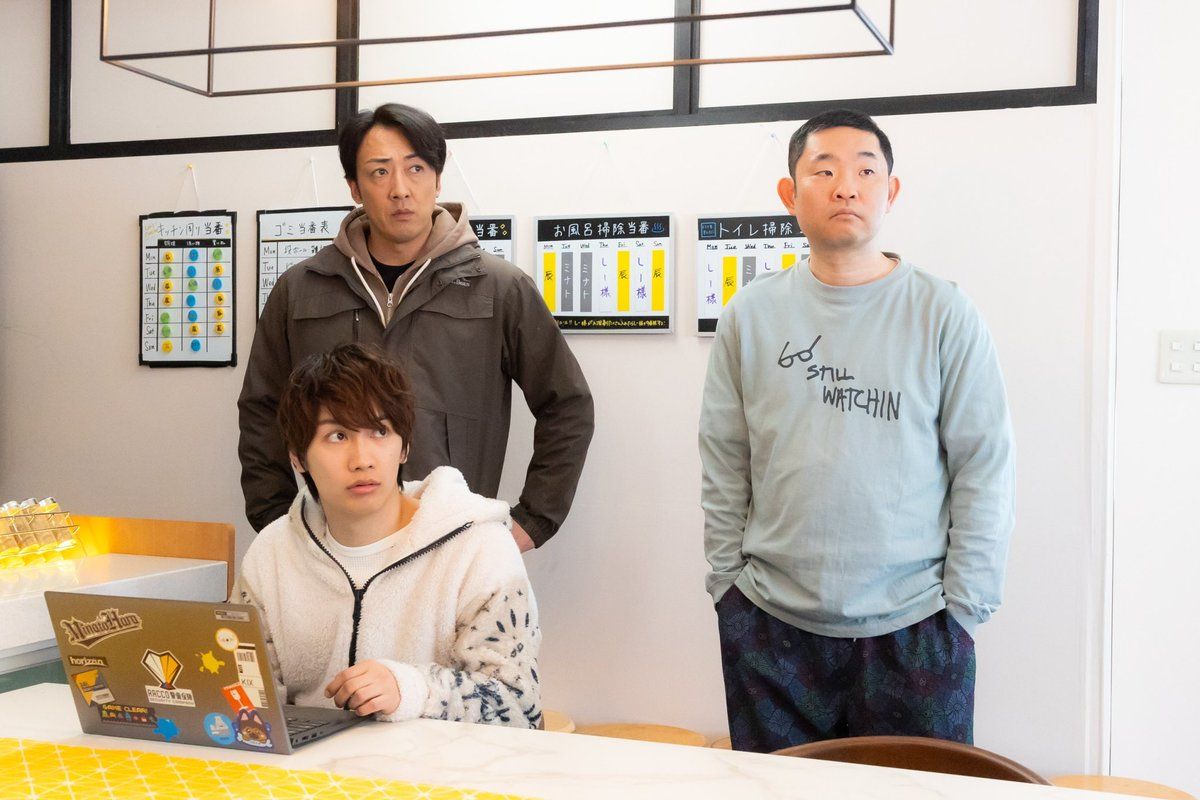
Though centered on two leads, the supporting cast paints a portrait of a workplace that becomes a kind of found family:
- Minato Hara is the cheerful younger brother type, constantly bridging gaps and easing tension. He senses when Tatsunosuke is off, often asking questions others avoid. Overall, he brings levity and emotional balance to an otherwise intense work environment.
- President Tsukamoto serves as the calm elder, offering wisdom without meddling. She fosters a space where employees feel protected themselves.
- Rika‘s workplace—though fraught with legal pressure—provides a different kind of refuge, especially through her boss, Yabuki, who not only sets up her protection, but also acts as a moral guide.
These relationships affirm the theme that emotional protection isn’t merely romantic—it’s communal. This ensemble dynamic becomes more prominent midway through the series, and gives emotional weight beyond the central couple.
WHAT TO CONSIDER BEFORE WATCHING
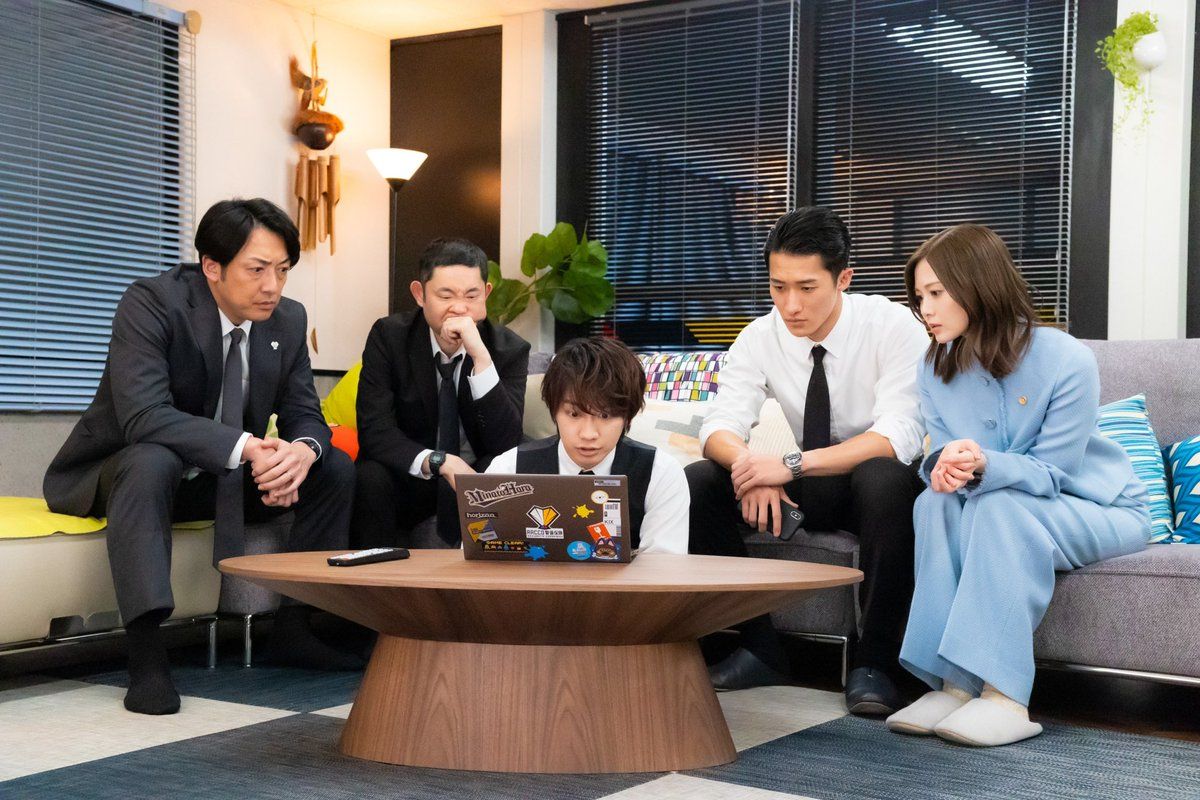
This drama blends different genres: it’s part romance, part comedy, part mystery, and part action. This “genre mash‑up” approach means tonal shifts, from lighthearted banter to investigative suspense (although some legal and procedural elements are simplified for dramatic effect), which might feel abrupt or uneven at times, depending on your preferences. While the emotional payoff is satisfying, the overall plot can feel predictable, though occasional surprises help engage viewers. The strength of the show lies in character interactions rather than unexpected twists or dramatic confessions.
Each episode runs about 24 minutes (without including ad breaks), with the first episode being a 50-minute special. The pace is deliberately slow at times to build tension—it’s not non-stop action. Some viewers may find this brisk and fun, while others might feel the format could leave deeper emotional arcs underdeveloped.
FINAL THOUGHTS
In summary, “Koisuru Keigo 24 Ji” isn’t just a showcase for Hikaru Iwamoto‘s acting and athletic skills or Mai Shiraishi‘s post-idol career—it’s a tightly crafted drama with heart, humor, and high-stakes intrigue. For fans of slow-burn dynamics, character-driven thrillers, and clever romantic comedies that respect their audience’s intelligence and enjoy sprinkling in action and emotional depth, this show is deeply rewarding. Whether you come for the plot, the star-studded cast, or the heartwarming arcs, you’ll likely stay for the growing connection between two deeply opposite characters who learn to protect more than just each other’s lives—they learn to protect each other’s hearts, too.
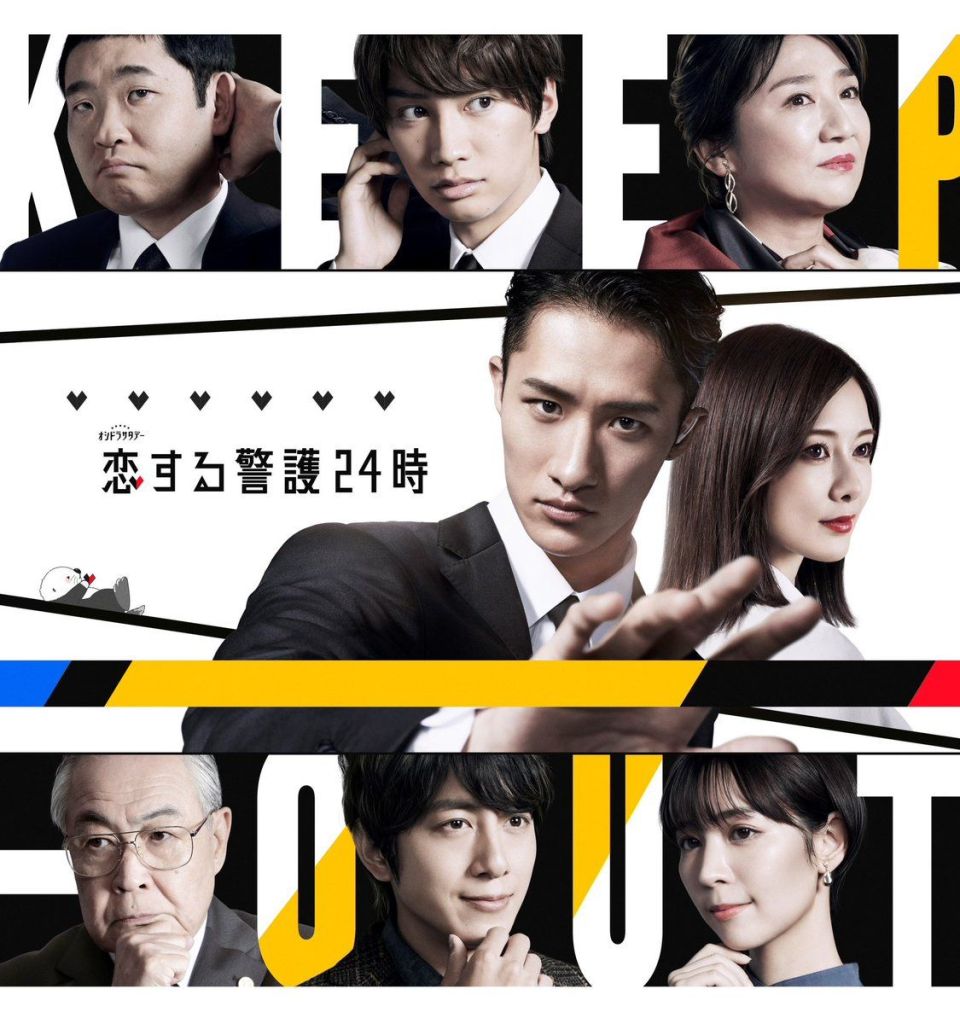
“Koisuru Keigo 24 Ji” aired on TV Asahi in the Oshidora Saturdays block from January 13 to March 9 of 2024. Episodes are currently available to stream on TELASA, a video on demand platform. A second season is currently in the works, with a premiere set for October in a 1-hour time slot.
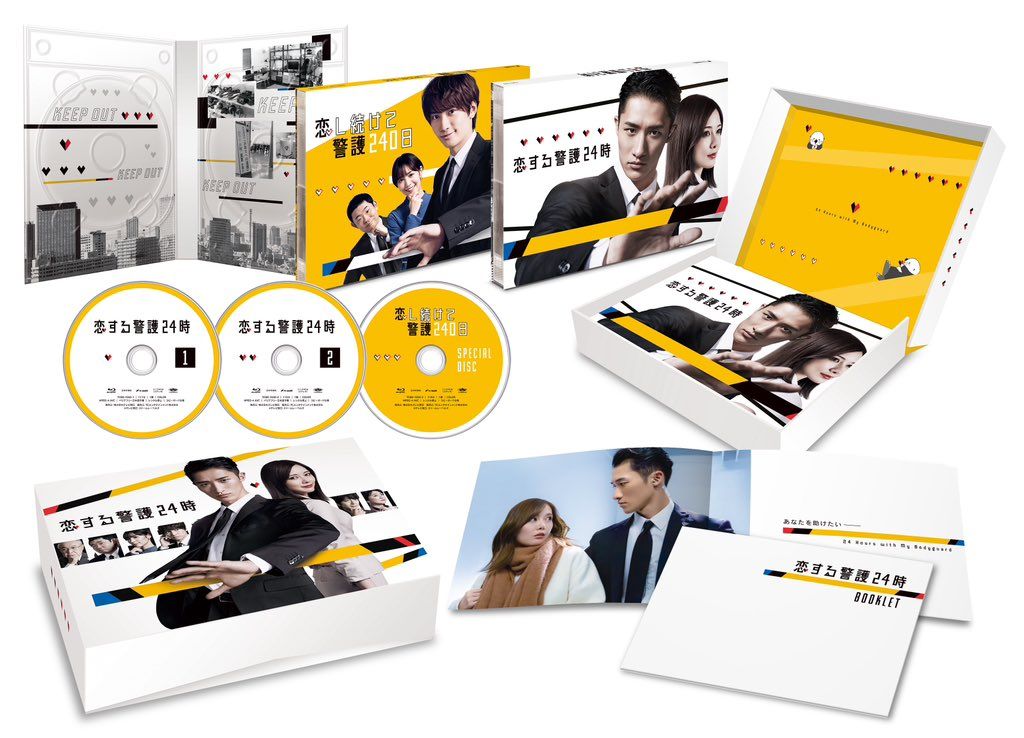
You can also check out the physical DVD & Blu-ray release, which includes over 100 minutes of additional footage –including the spin-off episode “Koi Shitsuzukete Keigo 240 Nichi” featuring Joichiro Fujiwara in the lead role– and a booklet packed with behind-the-scenes stories from the filming. For more details, please visit the official page.