
The immersive world of Zessei—the concept-driven magazine created under the editorial leadership of SUPER EIGHT’s Tadayoshi Ohkura—returns in digital form with the official Zessei Launch Commemorative Photo Exhibition AFTER MOVIE, set to stream via FAMILY CLUB online.
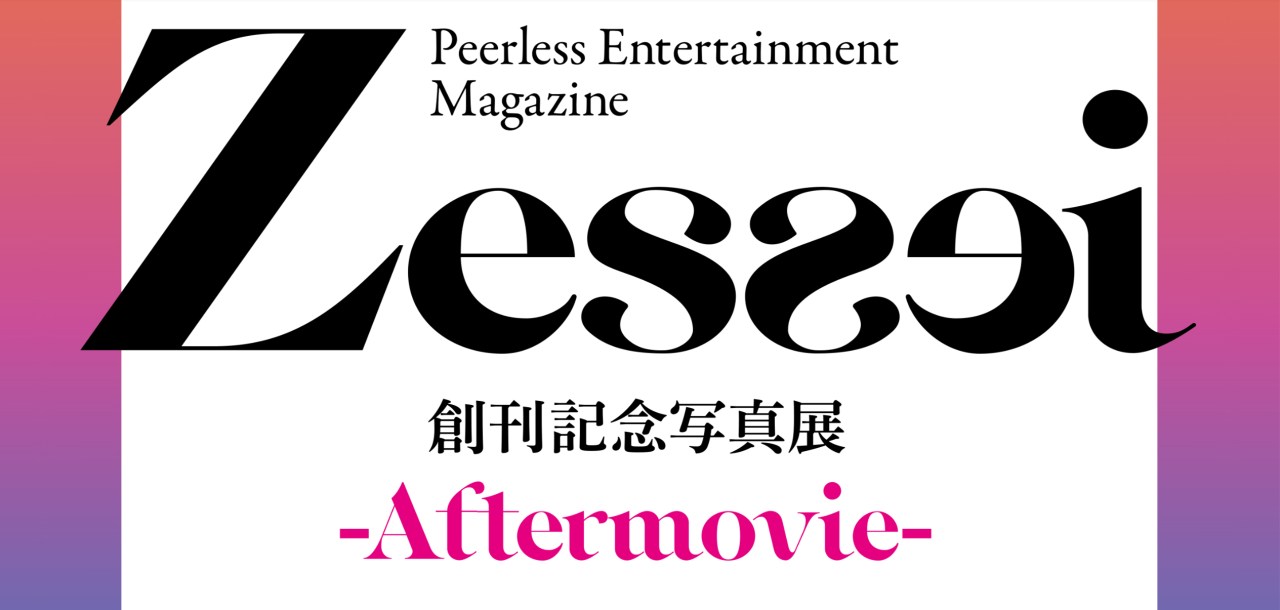
Following the conclusion of the physical exhibition at Laforet Museum Harajuku (November 10–30), the AFTER MOVIE will be available for streaming worldwide starting December 21, 2025, with tickets going on sale from December 9 at 12:00 JST.
Titled: “Zessei Launch Commemorative Photo Exhibition AFTER MOVIE
— Editor-in-Chief Ohkura Tours the Exhibition with Fukada & Nishimura —,” the program features Ohkura personally guiding viewers through the exhibition together with Ryusei Fukada of ACEes and Kansai Junior member Takuya Nishimura.
Most notably, the AFTER MOVIE includes previously restricted exhibition rooms where photography was prohibited, giving fans access to visuals that could only be experienced in person during the exhibition’s limited run. In addition to detailed commentary on the displayed works, the film features behind-the-scenes stories from the shoots, favorite photo highlights, and even an unscripted moment where Ohkura himself suddenly becomes the subject of an impromptu photo session.
Streaming Details
- Viewing Period: December 21, 2025 (12:00 JST) – January 31, 2026 (23:59 JST) (Unlimited replays available during the streaming window)
- Ticket Sales Period: December 9, 2025 (12:00 JST) – January 31, 2026 (23:00 JST)
- Ticket Price: 500 yen (General)

What Is Zessei?
Zessei is an entertainment magazine launched with Ohkura as editor-in-chief, shaped by his long-standing involvement in the production and development of STARTO ENTERTAINMENT’s Junior talents. At its core, the magazine places Juniors at the center, curated through Ohkura’s personal editorial perspective and defined by an intense focus on newly shot, visually rigorous photography.
Senior artists from STARTO ENTERTAINMENT also appear throughout the magazine through meaningful connections—shared Junior history, personal bonds, or collaborative projects themed around the concept of “Juniors.”
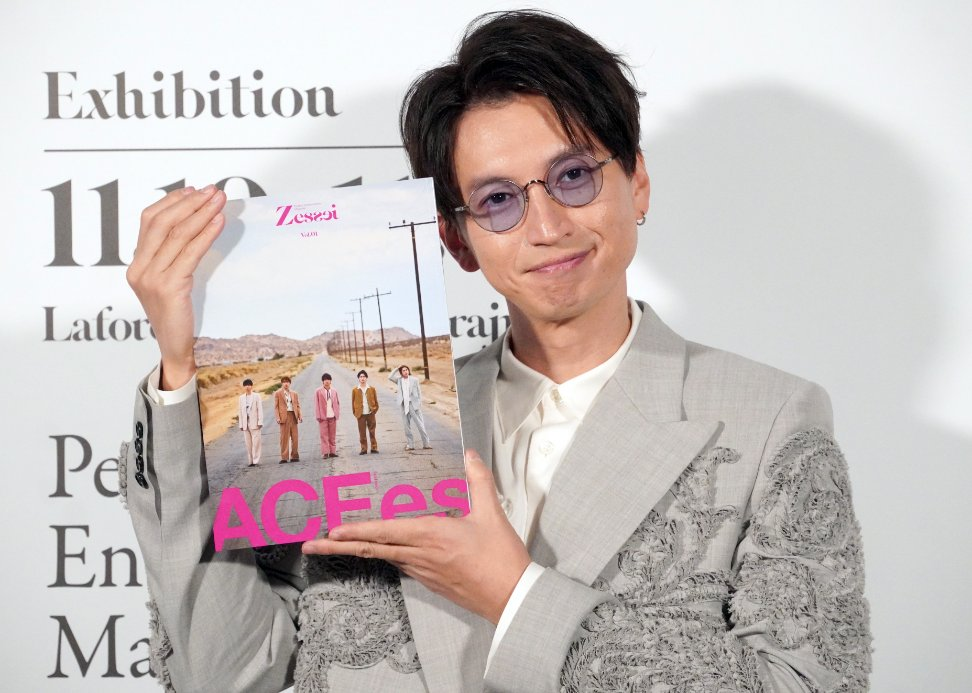
The inaugural issue’s cover and opening feature spotlight ACEes, photographed on location in Los Angeles, paired with solo interviews where each member speaks about the group’s future. The back cover presents a specially selected lineup from the Kansai Juniors.
Senior artists appearing as embodiments of Zessei include Shunsuke Michieda. A collaboration rooted in Junior-era bonds unites Ren Nagase (King & Prince), Daigo Nishihata (Naniwa Danshi), and Yoshinori Masakado (Ae! group). Ohkura also appears on the pages himself in a special dialogue feature with guest Fuma Kikuchi (timelesz).
From its second feature onward, the magazine moves beyond strict group boundaries, exploring themed gravure and collaborative visual projects.
The commemorative exhibition held at Laforet Museum Harajuku served as a three-dimensional extension of the magazine’s editorial philosophy. The main exhibition space displayed photographs featured in the magazine itself, allowing visitors to fully immerse themselves in the visual world of Zessei.
Additional areas introduced aspects of the production process, along with a dedicated gallery featuring more than 200 alternate cuts. Interactive sections invited visitors to experience playful Q&A exchanges between the editor-in-chief and the Juniors, alongside a message wall and photo spots designed for participatory engagement.
Every element of the exhibition was created with the intention of offering something that could not be fully conveyed through the printed page alone—an experience for those who made the effort to visit in person. Now, with the AFTER MOVIE, that experience is given a second life: those who attended in person can relive their memories, while those who could not—especially international fans—are finally able to participate in the world of Zessei from afar.
Even without English subtitles, the Juniors have proven time and again that their charm, presence, and talent transcend language barriers. It became a space where the behind-the-scenes process and the visual philosophy of Zessei could be experienced simultaneously, now reborn in virtual form.
Exhibition Room Structure
- room01: Entrance
- room02: Introduction 1 – The title “Zessei” and logo design
- room02: Introduction 2 – Alternate cuts
- room03: Our History – Junior days
- room04: From the Inside – Entering through the inner self
- room05: Beautiful Forest – Zessei space
- room06: Gift Shop – Zessei and commemorative goods
- room07: Message Wall / Photo Spot – Participatory space
Editor-in-Chief Ohkura on the Philosophy of Zessei
On the Meaning Behind the Title
First of all, I wanted to include the idea of “Generation Z,” referring to the Juniors who would be the main focus. As I searched for words and phrases starting with the letter “Z,” I came across “Zessei,” which means “peerless” or “unmatched in the world.” The title combines two meanings: capturing Generation Z idols through “peerless visuals.”
On His Commitment to Print
Right now, many magazines are suspending publication, but I think we often only realize their true value once they are gone. As digitalization accelerates, the worth of analog, printed media deserves to be re-evaluated. On a personal level, I’m not very good at reading books digitally, either.
While this may differ by generation, even as fan club newsletters move toward digital formats, there are still many fans who say they prefer paper. Digital is certainly convenient, but there is also a strong desire for things that can be kept physically, collected, and displayed. I had heard these voices directly from fans at events, and that became a major influence. Fans who support idols truly enjoy preserving and decorating with items connected to them, so I hope Zessei can become that kind of magazine—something people can hold in their hands, touch, and keep.
On Completing the First Issue
When all the photographs were finally laid out together, I honestly thought, “Wow.” I feel that each personality was captured in a way that suited them. I was especially conscious of making sure that everyone appeared as “Zessei visuals”—beautifully photographed.
There are many Juniors with very entertaining personalities, and those traits often become their main impression. But when you really look closely at their faces, you suddenly realize just how striking they are. I wanted to properly capture that side of them as well. Even I found myself thinking, “Oh, so they really do have such beautiful faces.” I believe we were able to capture the side that each member’s fans already know—the quiet thought of, “Actually, this person is really handsome.”
On the Future Direction of Zessei
As an editorial policy, the groups and individuals featured in Zessei are selected according to the editor-in-chief’s personal perspective. Even if it might sound interesting to include every Junior, that wouldn’t necessarily make the magazine stronger or more realistic. That’s why the lineup may change drastically from issue to issue—and I actually want it to change.
The person on the cover will naturally influence the color and overall tone of the entire issue, and that in turn will affect the selection as well. For the first issue, with “Zessei = peerless beauty” as the theme, everything was kept elegant and refined. But I also want to do pop concepts, and many other styles.
I don’t want people to be able to easily define Zessei as “this kind of magazine.” I’d rather have them ask, “What kind of magazine is Zessei?” I want to keep it open. Usually, magazines are defined by a fixed identity, but I don’t want to decide that. If I did, I think I’d eventually grow bored of it myself—and it might also leave some talents out. By leaving room for flexibility, I want to keep challenging myself and the magazine.
Going forward as well, the Juniors and groups who appear will continue to be selected based on my own perspective and the theme of each issue. I don’t want anyone to feel that appearing in Zessei is something that naturally happens. Being featured is not a given—and that sense of tension and intention is something I want the magazine to maintain.
As both an archival extension of the exhibition and a new layer of documentation, the Zessei AFTER MOVIE functions as more than a recap. It preserves a project that was designed to be experienced spatially and materially, now translated into a format accessible to fans beyond Japan.
For international readers and fans who could not attend the exhibition in person, the AFTER MOVIE becomes the first opportunity to engage with restricted visuals, curatorial logic, and Ohkura’s own guided interpretation of the project.
With Zessei positioned as a forward-facing successor to traditional idol magazines—selective, visually experimental, and concept-driven—the AFTER MOVIE completes the magazine’s launch cycle not only as promotion, but as lasting documentation of its artistic intent.