
Unspoken love, youthful longing, and the ache of growing up. This is a gentle tale about young people learning how to handle feelings that may never be returned, but still matter.
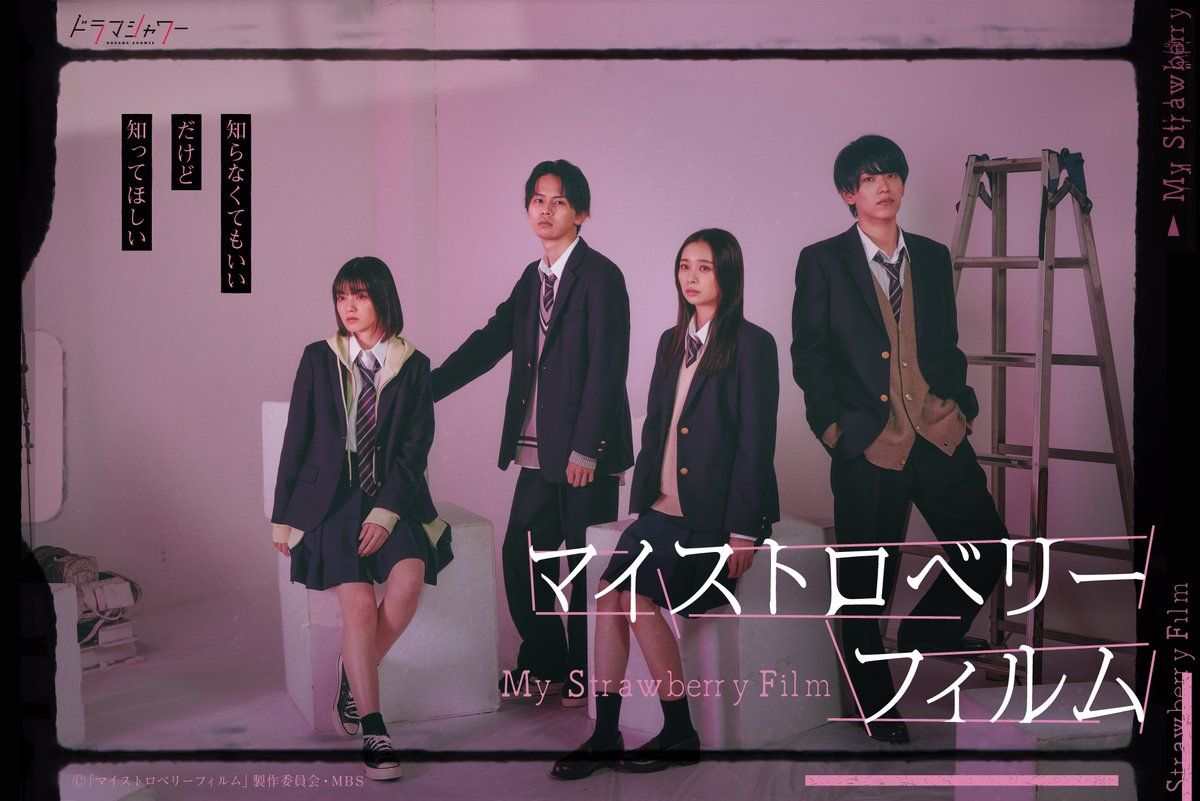
Ryo (Ryusei Fukada), Hikaru (Rei Yabana), and Chika (Mizuki Yoshida) appear to lead ordinary high school lives, but each harbors deep, unspoken emotions. When Hikaru and Chika stumble upon an 8mm film in an abandoned school warehouse, their hidden feelings begin to emerge. Hikaru becomes obsessed with the mysterious girl in the film (Ririka Tanabe), dramatically altering the dynamics of their friendships and relationships. As their interconnected lives unfold, the teenagers struggle with the challenge of expressing their true feelings. This is a 2024 Japanese youth romance drama directed by Karin Takeda.
– Rakuten Viki
STORY OVERVIEW
Set in a quiet seaside town and steeped in a nostalgic visual style, this 8-episode series follows Ryo, Hikaru, and Chika, three second-year high school students whose quiet connection gradually deepens as they wrestle with growing up, letting go, and possibly falling in love.
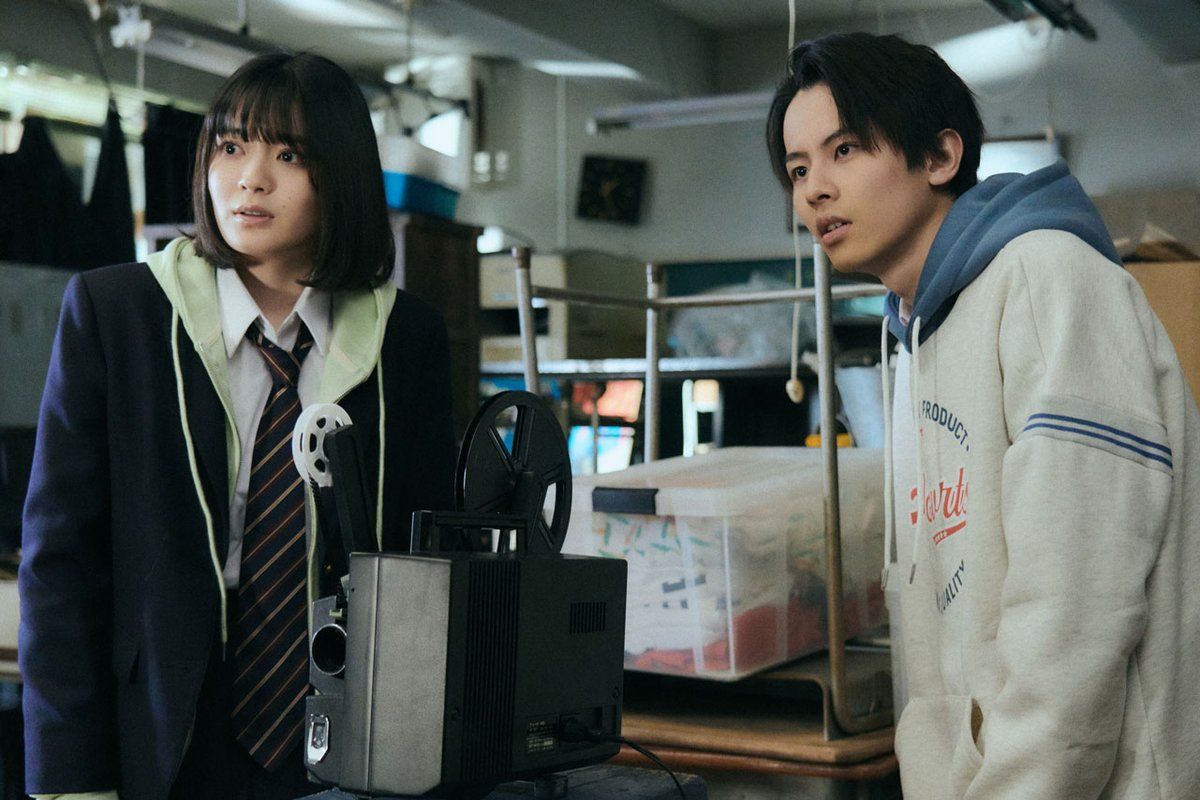
The plot begins when Hikaru and Chika stumble upon an old 8mm film projector in an abandoned school warehouse. What they find on the film is both haunting and beautiful: footage of a girl they’ve never seen before, whose melancholic presence immediately captures their attention. As the mystery of the girl’s identity unfolds, the boundaries between past and present begin to blur.
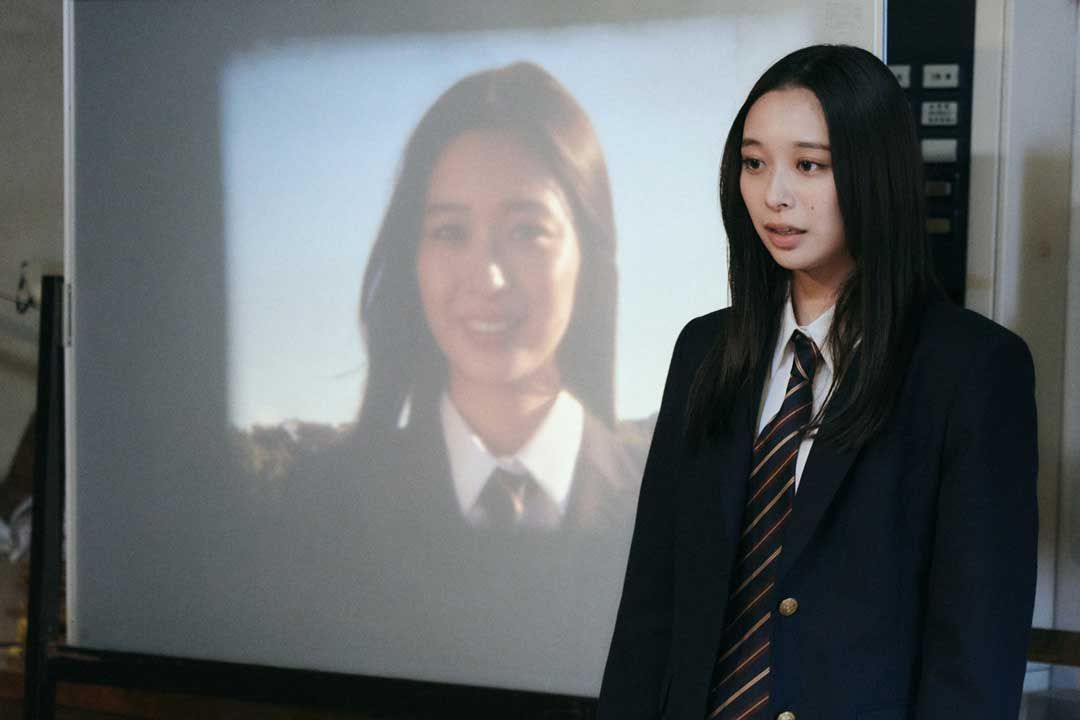
The sudden appearance of the girl from the old film, Minami, as a new transfer student at school throws everything into disarray. Her arrival not only deepens the central mystery, but acts as a mirror for the unspoken feelings harbored by the main trio. The plot then shifts its focus from the question of “Who is this girl?” to “What do we want from one another, and are we brave enough to say it out loud?” The film becomes less of a mystery to solve and more of a metaphor for memory and the passage of youth.
What makes the story compelling is how it avoids dramatic flair in favor of nuance. Each episode slowly peels back emotional layers, revealing the fragility of teenage bonds. It’s not about climactic confessions or shocking revelations; it’s about the moments that pass us by when we don’t speak up, the feelings we protect out of fear of destroying what we have. The pacing is deliberately slow, even meditative, allowing you to sit with the characters in their moments of discomfort and reflection. The show also trusts its audience to “read between the lines,” especially when it comes to the slow-burn relationship between Ryo and Hikaru.
By the eight episode, the series doesn’t tie every thread into a neat bow. Instead, it leaves you with an aching sense of realism. There are confessions never made, realizations that come too late, and connections that might never fully mend—but that’s the brilliance of “My Strawberry Film.” It’s not about perfection or happily-ever-afters; it’s about the emotional scars that remain after first love, friendship, and adolescence collide.
The opening theme, フラッシュバックメモリーズ (Flashback Memories) by Kai Kubota, echoes the show’s pensive, wistful tone, with a wholesome blend of curiosity and nostalgia.
MAIN CHARACTERS
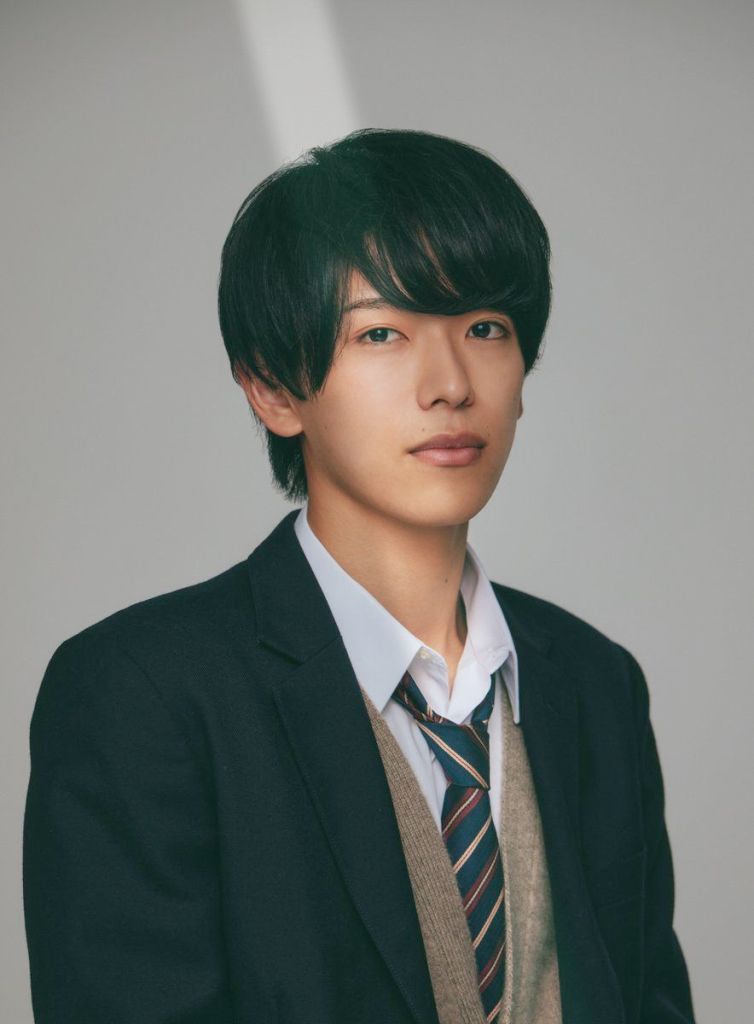
Ryo Ichikawa is the quiet observer of the group. Soft-spoken and reserved, he prefers to stay in the background, spending his time composing music with a Midi Con device. While his outward demeanor is calm, Ryo is arguably the most emotionally complex character in the story. His unspoken affection for his best friend Hikaru becomes more apparent as the film’s mystery draws everyone closer together. His arc is less about romance and more about confronting emotional repression and the fear of being seen.
• Ryo‘s interest in music is mirrored in the drama’s rich OST. The official soundtrack includes 33 tracks, each adding nuance and a compelling yet bittersweet feeling to the drama.
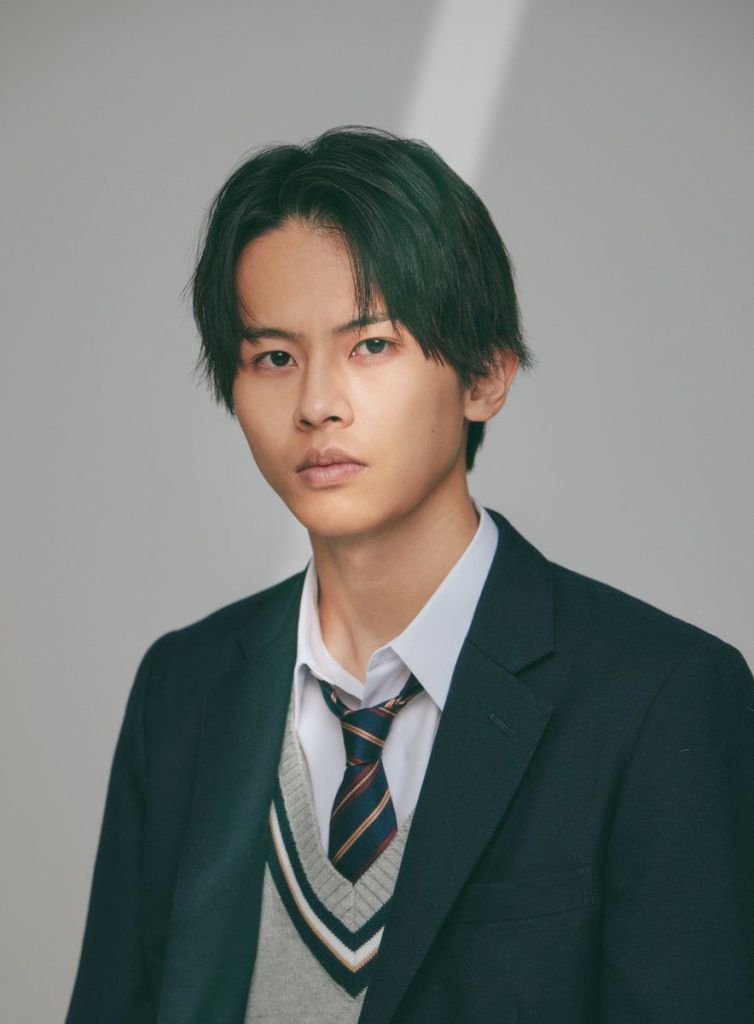
Hikaru Toyama, in contrast, is full of brightness and energy. He’s charming, impulsive, and often serves as the group’s social glue. At first glance, he seems carefree, but as the series progresses, cracks in his persona start to show. His obsession with the girl in the film isn’t just fascination—it’s a projection of his own longing for escape and clarity. While he appears to be the most confident of the group, he’s also the most directionless, making his emotional journey especially touching.

Chika Nakamura is practical, assertive, and emotionally attuned to the group’s dynamics. She plays the role of the peacekeeper, the one who defuses the situation when tension arises. Chika‘s unrequited feelings for Ryo are delicately portrayed—not through grand declarations, but in silences, subtle glances, and moments where she chooses restraint over risk. Her character brings warmth and tenderness to the story, while also serving as a painful example of someone who cares deeply but cannot bring herself to interrupt the fragile balance between friendship and love.

Minami Murasaki is both a character and a symbol. As the girl captured on the 8mm film, her presence is ghostly—she represents memory, desire, and the ambiguity of adolescence. When she finally enters the story as a real person, her role is not to complete anyone’s love story, but to unsettle them. Her connection to the warehouse and her own hidden grief add a layer of emotional depth, making her more than just a plot device. She forces the others to confront their own inner turmoil simply by being present.
WHAT TO CONSIDER BEFORE WATCHING
“My Strawberry Film” is not your typical high school drama. It lacks dramatic twists, passionate confessions, and fast-paced storytelling. Instead, it offers a reflective, emotionally restrained look at young people navigating the fragile space between adolescence and adulthood. If you enjoy stories that dwell in silences and subtext—where what’s not said carries more weight than what is—this show will likely resonate with you.
The pacing is another thing to consider. As mentioned previously, the story unfolds slowly, which can either be immersive or alienating, depending on your preferences. There are long scenes with little dialogue, extended moments of quiet music or introspection, and a reluctance to push characters toward action. This approach serves the themes of emotional repression and youthful indecision, but it demands patience.
Lastly, the show leans heavily on aesthetic choices: film grain, minimalist sound design, and atmospheric visuals. These aren’t just stylistic traits; they’re elements essential to how the story is told. If you value evocative cinematography and emotional nuance over clear plot progression, this series may very well be a hidden gem. But if you prefer common storytelling tropes, energetic pacing, or narrative closure, it may not be your cup of tea.
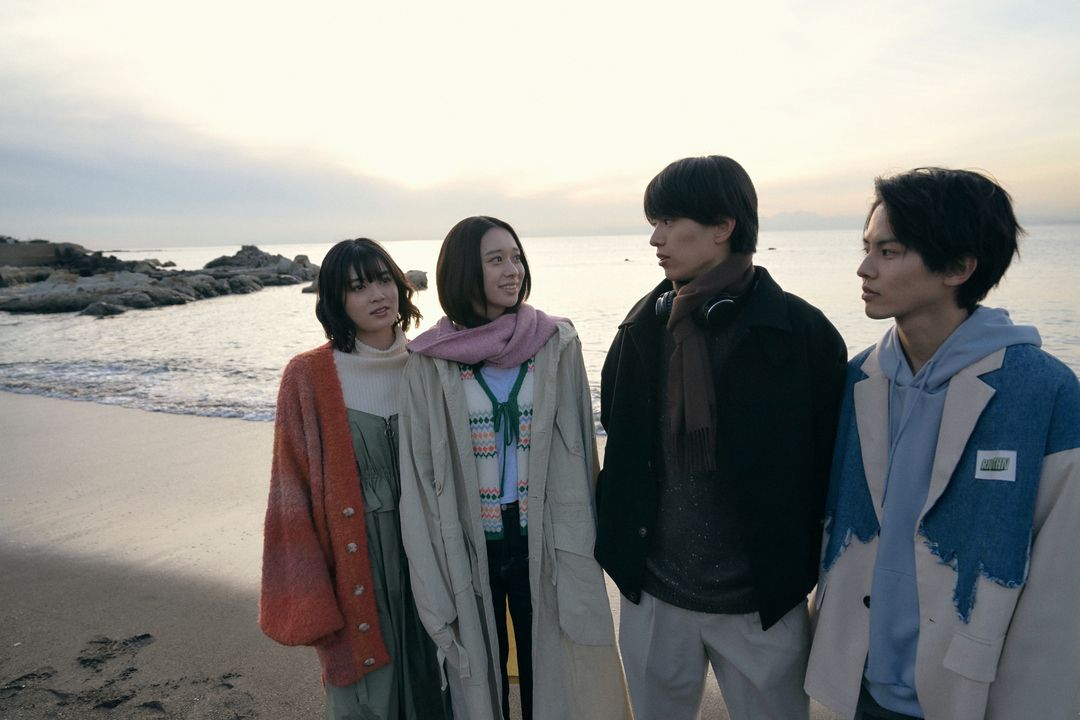
COMMENTS FROM THE CAST [SPOILERS AHEAD]
Shortly before the DVD/Blu-ray release of “My Strawberry Film” in 2024, Dumpling Box had the opportunity to interview lead stars Ryusei Fukada and Rei Yabana—who play Ryo and Hikaru respectively—about the drama.
In the final episode, Ryo bravely confesses his feelings to Hikaru—an emotional climax that lands sincerely but leaves unanswered the question of romance between the two. “I think Ryo was in love with Hikaru from the very beginning, but kept it hidden to avoid upsetting the close relationship they had as friends, or maybe didn’t really understand it fully himself,” said Fukada. “I also think that there might have been some element of mutual affection, but once Hikaru finds the mysterious film and Minami—looking exactly like the beautiful girl in the film—transfers in, Hikaru‘s own feelings really start to shift to align with his emotional state toward the fantasy he’s grabbed on to,” he added.

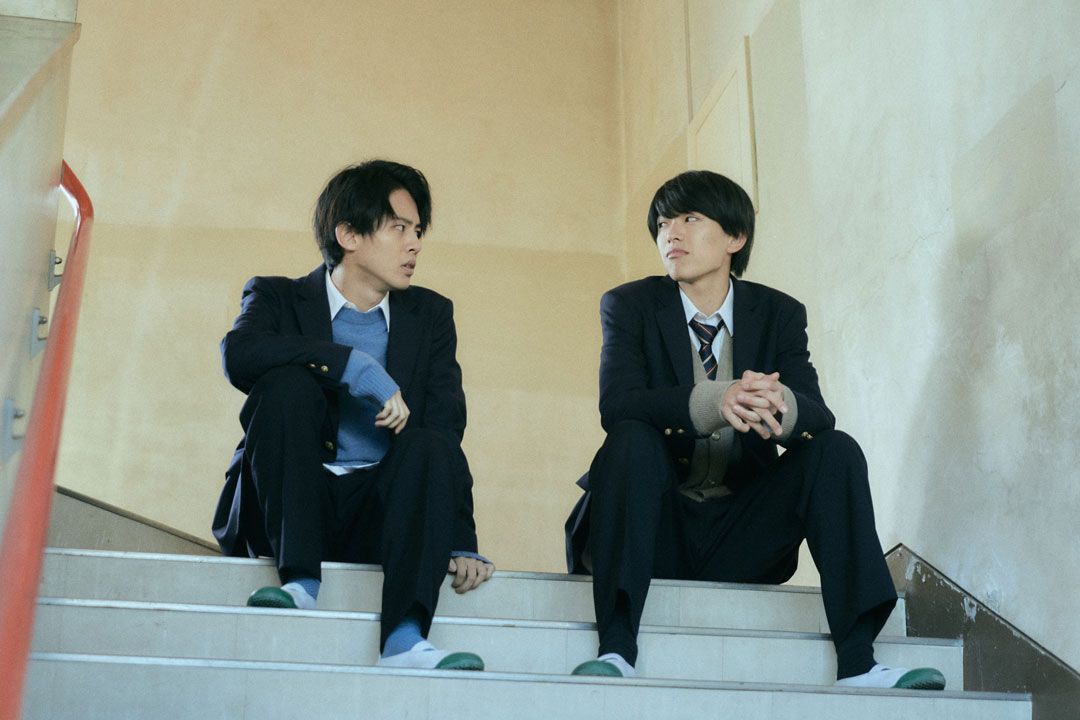
According to Yabana, the series has a narrative that will evoke memories of anyone who has endured the turmoil of young love, and hopes that, even though it’s a complex story, it can allow viewers to revisit the frustrations of youth in a nostalgic and positive way. He also highlighted how the show can be watched multiple times while focusing on a different character and their own personal growth in each viewing. “I think you can probably watch the film four times while focusing on each of the four main characters, like, ‘Which one of them am I going to get emotionally involved with this time?'” He continued, “If you watch from that character’s perspective, you can see their development and how they handle the changes happening around them clearly.”
“My Strawberry Film” is streaming on Rakuten Viki, available to audiences in North and South America, Europe, India, Thailand, the Philippines, and more!
• Yabana also talked about the drama being available for overseas streaming during 7 MEN Samurai‘s and JOY! tour last year, acknowledging how amazing it was that it was spreading outside Japan.
In the end, “My Strawberry Film” may not be for everyone, but for the patient and introspective viewer, it is a beautiful coming-of-age story that lingers long after it ends. Its honesty, subtle yet powerful performances, and nostalgic visuals blend into a reflective meditation on youth, yearning, and the things we leave unsaid. The emotional payoff may frustrate viewers craving closure, but perhaps its openness is also its greatest strength. After all, life rarely gives us the endings we want.
Official Website | Official X | Official Instagram