
Some animated films sparkle like sunlight on water. Others make you laugh, lift you gently, and leave you floating in your feelings on a comfy cloud of cuteness. But Grave of the Fireflies does something else entirely.
It burns.
Released in 1988 and directed by Isao Takahata, this Studio Ghibli masterpiece is one of the most honest portrayals about the ravages of World War II. It doesn’t march or roar—it lingers. Quiet. Haunting. Heart-shattering. A cinematic requiem that sits in your chest long after the credits roll, humming a soft, sorrowful lullaby.
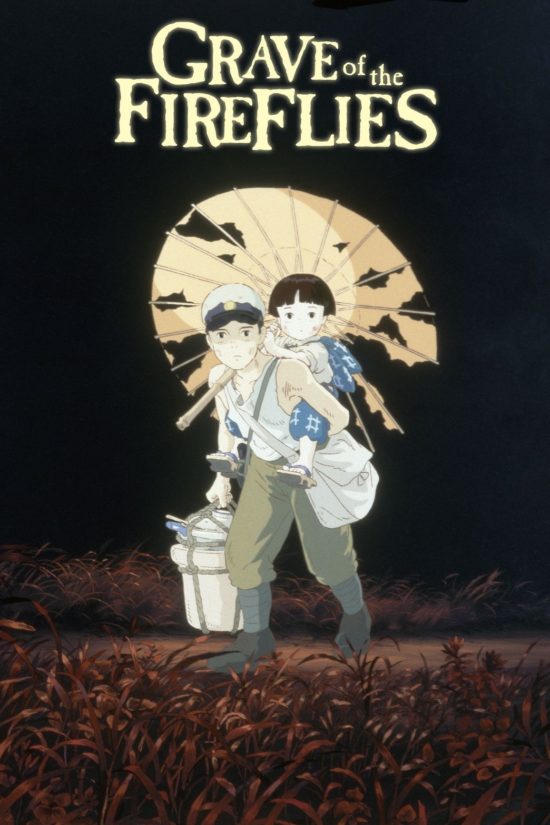
I first saw the film when I was 9.
At its core are Seita and Setsuko—two children stranded in the embers of a dying empire, scraping through the ashes of a world that no longer wants them. No promises of survival. Only the slow unraveling of innocence under the weight of hunger, grief, and war’s quiet cruelty.
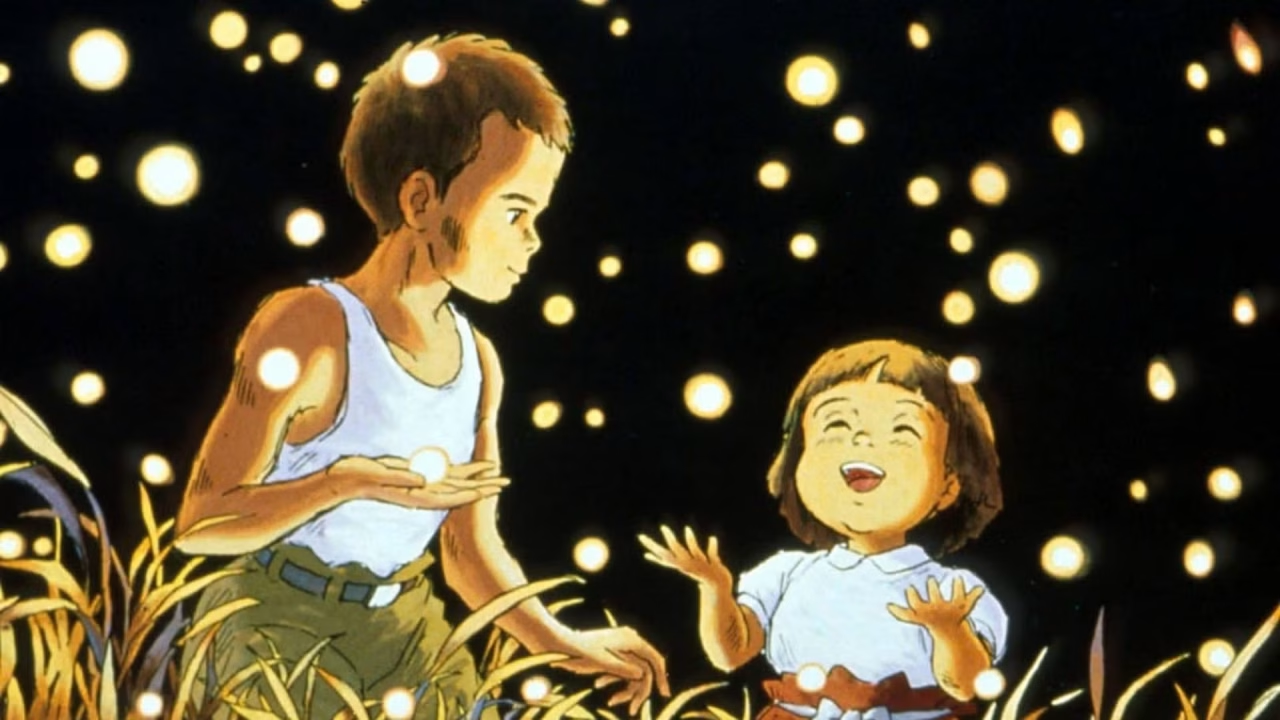
There is beauty here, yes—but it’s fragile. Fireflies glowing against the night sky. A tin of fruit drops. The way Setsuko says her brother’s name. It’s this contrast—between the delicate and the devastating—that gives the film its lasting ache.
And now, thanks to GKIDS and Shout! Studios, Grave of the Fireflies returns in a newly remastered Blu-ray/DVD and limited-edition Steelbook release. The packaging alone—a soft shimmer of firefly light around our two young leads—is enough to bring the tears back.
But inside? The full heartbreak is intact.
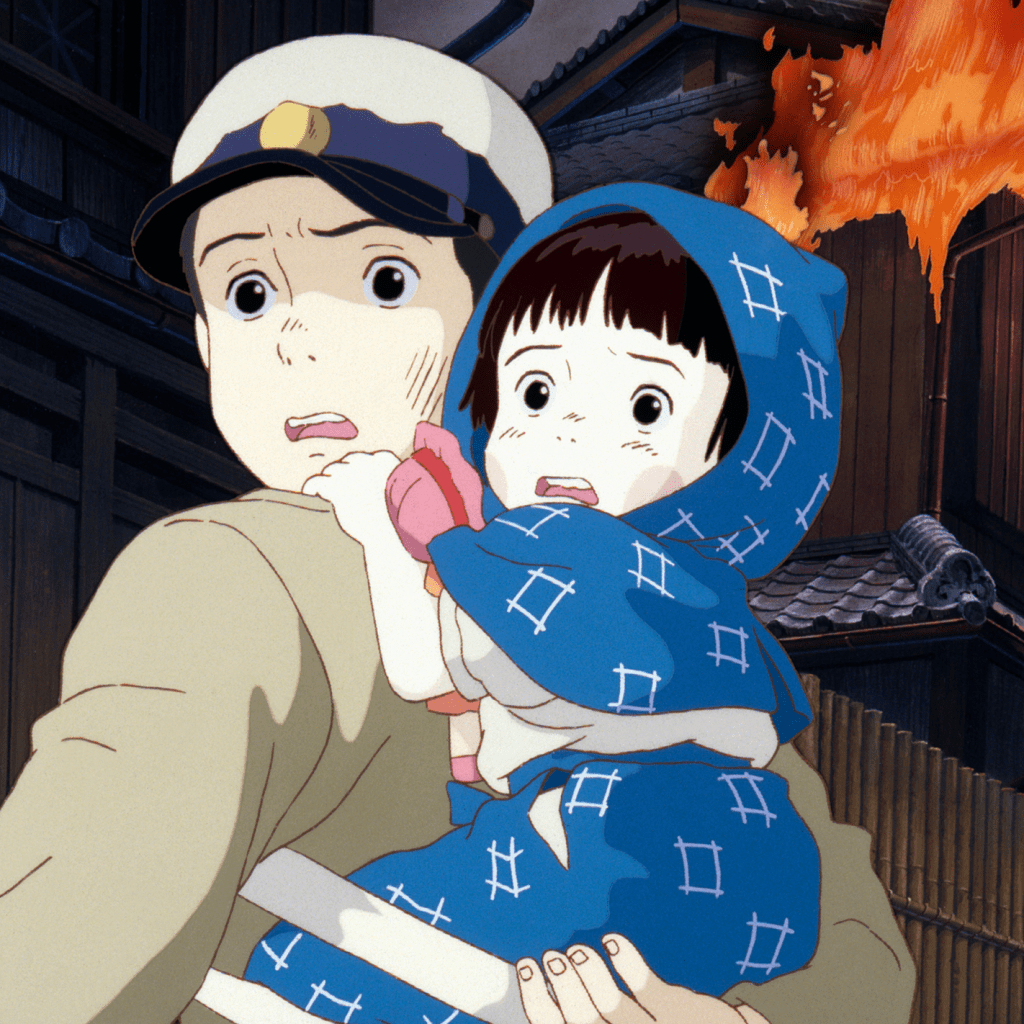
The animation is unmistakably Ghibli: precise, reverent, full of tiny details that ground the story in reality. But don’t expect spirits or spells. There’s no Catbus here. No enchanted forests. Only rice ration cards, bomb raids, and the echo of what war leaves behind when the world stops looking.
Internationally, it’s revered as one of the most powerful anti-war statements in animation history. In Japan, it’s something more. A cultural wound. A whispered prayer. Based on Akiyuki Nosaka’s short story—his own elegy for a sister lost during the war—the film is still shown in classrooms across the country. Not to entertain, but to remember.
For many, Seita and Setsuko aren’t just characters. They’re family. Friends. Shadows of someone once known. And for those of us watching from across the ocean, they offer a devastating lens into the silent cost of conflict—the kind not written in textbooks.

Even Roger Ebert, never one to be swept easily by animation, called it one of the greatest war films of all time. “It is an emotional experience so powerful that it forces a rethinking of animation,” he wrote.
The bonus features deepen the experience—especially the interviews and feature-length storyboard presentation—offering a glimpse into Takahata’s grief-laced process, and how personal loss shaped every frame of this unforgettable film.
There are many Ghibli classics that live rent-free in my heart. But Grave of the Fireflies… is like a ghost, haunting my memory in a way that I’ve only learned to appreciate more as I’ve gotten older. So whether you’re returning to its soft devastation or witnessing it for the first time—prepare yourself. Hold someone close. Let yourself cry.
And when the last firefly flickers out, know that the memory remains.
You can purchase Grave of the Fireflies through many online retailers including GKid and Amazon!
More film reviews coming soon. Stay warm. Stay soft.
Stay Seated. 🥟✨