
Ae! group’s Yoshinori Masakado is set to take the stage in a bold new production of “Twelfth Night,“ Shakespeare’s timeless comedy of mistaken identity and love gone awry.
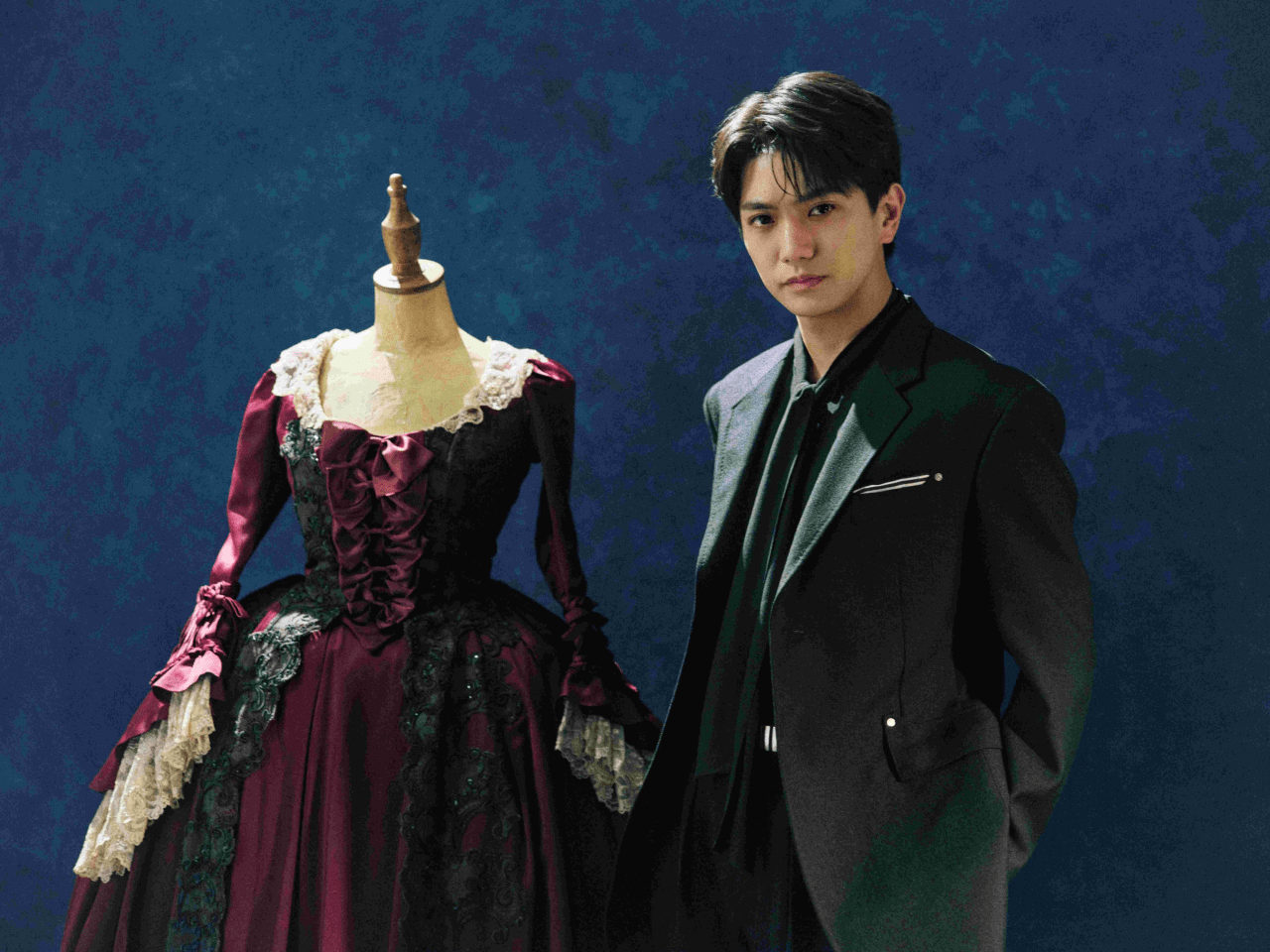
The production, directed by acclaimed stage visionary Shintaro Mori, will run from October to November at Tokyo Globe Theatre, before heading to Morinomiya Piloti Hall in Osaka later that month.
But what makes this Twelfth Night truly daring? Masakado will be playing Viola, the play’s lead female role.
“I never imagined I’d be playing a female role,” Masakado admits with a laugh. “I was really surprised when I was cast. So many distinguished actors have played Viola before me, and now suddenly a man like me is stepping into the role—it’s one surprise after another. But I believe that’s exactly the kind of magic only theater can create.”

Known for his sincerity, warmth, and slightly airheaded charm, Masakado is no stranger to pushing artistic boundaries. Throughout various skits and plays with Ae! group, Masakado has played a female role , and those have been hilarious roles, highlighting his acting rather than the legitimaticy of a passing grade as a woman.
His previous stage work, including 2022’s Vincent in Brixton, also directed by Mori, ignited a deeper passion for the craft.
It may be a departure from the perilous mountaineering drama of Touching the Void, but the experience has clearly shaped him—both physically and artistically.
Masakado shared that the cast underwent intense training to prepare their bodies. “It’s been a transformative experience,” he said at the time. “Not just in terms of acting but also in how we’ve had to condition our bodies. Climbing ‘Andy’ day after day has made us stronger and more connected to the characters.”
That same dedication to physicality now informs his approach to Twelfth Night—where even in a comedic setting, the body plays a vital role in conveying identity, disguise, and emotional tension. Now, reunited with the director who helped shape that journey, Masakado is ready to embrace a challenge that blurs the lines between gender, identity, and emotion.
Gender, Identity, and the Joy of Confusion
Set during the final night of the holiday season—the so-called “Twelfth Night” after Christmas—the play unfolds in a world of celebration, chaos, and temporary liberation. Boundaries dissolve. Rules are broken. And people, in all their messiness and longing, fall in love.
Viola, separated from her twin brother in a shipwreck, washes ashore in the strange land of Illyria. To survive, she disguises herself as a man named Cesario and becomes a messenger for Duke Orsino—whom she secretly falls in love with. But Orsino is in love with another: the aloof Countess Olivia. When Viola, still disguised, delivers Orsino’s love letters, Olivia instead falls head over heels for “Cesario.”
A classic love triangle—with a gender-bending twist.
Director Shintaro Mori calls it “a comedy of confusion,” where characters spiral into identity crises, and audiences laugh not just at the absurdity—but at the deep truth of it all.
“Shakespeare was brilliant at capturing both the anxiety and the euphoria of not being yourself,” Mori explains. “And the joy of becoming yourself again—even if it comes with a touch of loneliness.”
In Elizabethan times, Twelfth Night was already layered: young boys played the female characters, and Viola, in turn, disguises herself as a man. That double inversion lies at the heart of the play. Mori leans into this ambiguity with a gender-fluid casting approach, where several actors—including Masakado—take on roles not tied to their real-life gender. The goal? To create a chaotic yet liberating theatrical space, where everything is allowed, and nothing is certain.
“I want to be seen as beautiful—and cool!”
For Masakado, the casting may be unconventional, but the commitment is sincere.
“I want people to look at me on stage and genuinely think, ‘Wow, he’s beautiful. He’s cool,’” he says with a grin. “This role sparks so much curiosity in me—it’s exciting and nerve-wracking at the same time.”
His return to the Tokyo Globe Theatre brings back memories of intense, rewarding rehearsals—of discovering the joy of being on stage and growing as an actor. “I’ve had more experience since then, and I hope people will see how I’ve changed—how I’ve become more interesting.”
In a final note, Masakado adds, “Twelfth Night is a comedy that continues to gain new fans, and I hope we can deliver a fresh version of it—one that makes the audience laugh and truly enjoy themselves.”
As the curtain rises on this celebratory yet chaotic tale, one thing is clear: Masakado’s Viola isn’t just a role—it’s an invitation to rethink what identity, love, and transformation can look like on stage.
Yoshinori Masakado— Playing Viola
I’ve always wanted to try performing in a Shakespeare play someday, but I never imagined I’d be playing a female role, so I was really surprised when I was cast. So many distinguished actors have played Viola before me, and now suddenly a man like me is stepping into the role—it’s one surprise after another. But I believe that’s exactly the kind of magic only theater can create.
I’m already feeling a mix of excitement and nervousness about taking on the role. Just this bold and challenging casting alone has sparked my curiosity. Honestly, I really want people to look at me and think, ‘Wow, he’s beautiful and cool’ (laughs).
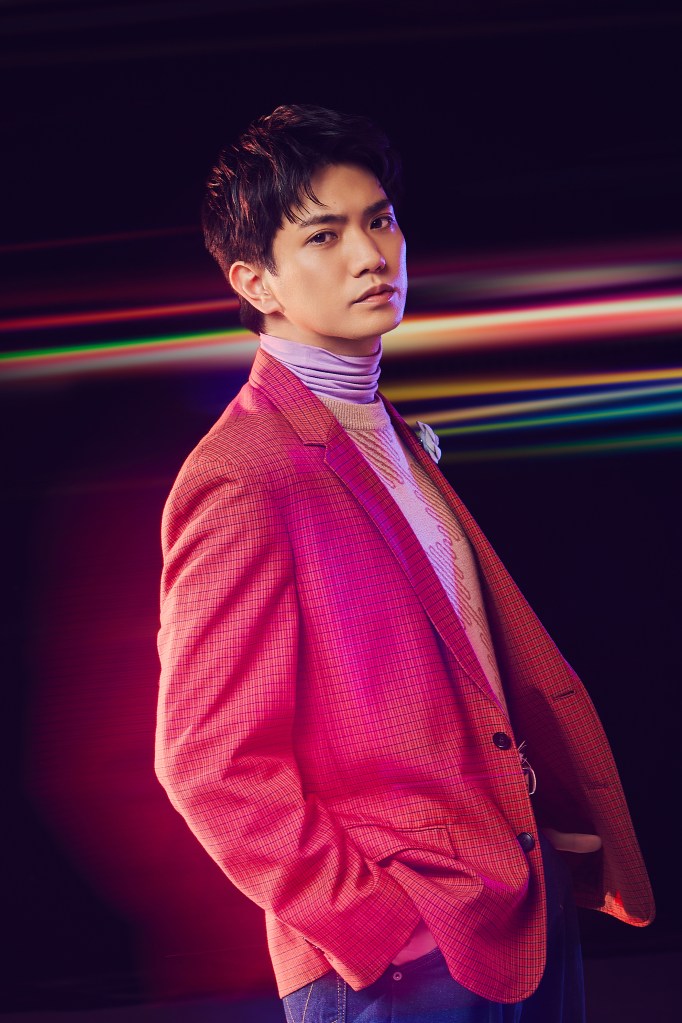
Director Shintaro Mori is someone who truly cares about actors and the art of performance, so I’m incredibly happy to be working with him again. I’m also really looking forward to starting rehearsals. The rehearsals for our last production together at Tokyo Globe Theatre three years ago were so intense and memorable—they reignited my passion for the stage and taught me so much. Since then, I’ve taken on more stage work, so I hope people can see how I’ve grown and become a more interesting performer.
Twelfth Night is a comedy that continues to gain new fans, and I hope we can deliver a fresh version of it—one that makes the audience laugh and truly enjoy themselves.
Comment from Director Shintaro Mori

“Twelfth Night” refers to the twelfth night after Christmas—the final evening of the long holiday season. It was a time when the festive chaos reached its peak, and even serious breaches of decorum were overlooked. For that one night, the social boundaries that usually governed society were set aside, creating a temporary space of liberation and delightful disorder.
The play Twelfth Night is, in a word, a comedy of confusion. Many of its characters fall into the swamp of identity crisis—losing their sense of self. What’s brilliant about Shakespeare is not just how he portrays the anxiety of becoming someone you’re not, but also the intoxicating joy of it. And when one returns to oneself again, he captures not only the relief, but also the quiet loneliness that follows. Human beings are truly complicated creatures. And as we laugh, we’ll find ourselves reflected on stage.
I’ve long wanted Yoshinori Masakado to perform in a Shakespeare play. He’s earnest, kind-hearted, and sometimes endearingly airheaded—and the role that suits him best is none other than Viola: a lovestruck princess disguised as a man. In the Elizabethan era, young boys performed female roles, and Viola, who pretends to be a man, created a double layer of gender inversion. That very ambiguity is at the heart of Twelfth Night.
This time, it won’t just be Masakado—several other cast members will also play roles that cross traditional gender lines. In the free space of the Globe Theatre, I want to create an even more chaotic zone of liberation than ever before. I want us to laugh boldly at the confusion. To borrow Viola’s own words: “Time, place, and fate have all come together perfectly.” That’s what this production is. Please look forward to it.