
Nine years ago, a story rooted itself deep in the theater world—muddy, loud, unpolished, and painfully sincere. In the summer of 2026, that story breathes again. And this time, it does so through Travis Japan’s Genta Matsuda, stepping into his long-awaited first solo stage lead.

When the heart becomes song, and song becomes soul, the theater trembles.
After its original run in 2017, the stage play Ore Bushi, which depicts the clumsy yet pure-hearted life of a young man aspiring to become an enka singer, begins beating once again with a new cast.
Ore Bushi is not a gentle story. It is rough-edged, muddy with sweat and longing, and tender in the way only people who keep standing back up can be. Based on the manga by the late Seiki Tsuchida, the work follows Koji, a shy yet fiercely passionate young man chasing a dream of becoming an enka singer. His heart turns into song; his song becomes his soul. And when that soul trembles, the entire theater shakes with it.
The stage adaptation is written and directed by Mitsunori Fukuhara, known for creating dynamic, deeply human productions ranging from small theaters to large venues and outdoor performances. The distinctive style of Tsuchida’s work—combining roughness and delicacy, and overflowing with emotion—has been transformed by Fukuhara into a powerful theatrical experience in which living, breathing performers move and sing with raw intensity.
The play’s original staging premiered nine years ago, transforming Tsuchida’s raw, human storytelling into living, breathing theater. Now, under the direction and script of Fukuhara—known for drawing intense emotional truth from both small black-box stages and grand venues—the story is reborn with a new cast and renewed urgency. Fukuhara’s theater has always honored contradiction: brutality and kindness, delicacy and chaos, and Ore Bushi lives exactly in that tension.
When the play was first staged in 2017, Shota Yasuda of SUPER EIGHT portrayed the protagonist Koji, a shy yet emotionally explosive young man whose singing seemed to tear straight through his chest. That performance became legendary. A work people didn’t just remember—they carried.
Nine years later, the story returns.
And this time, at the center stands Koji, and at the center of Koji now stands Genta.
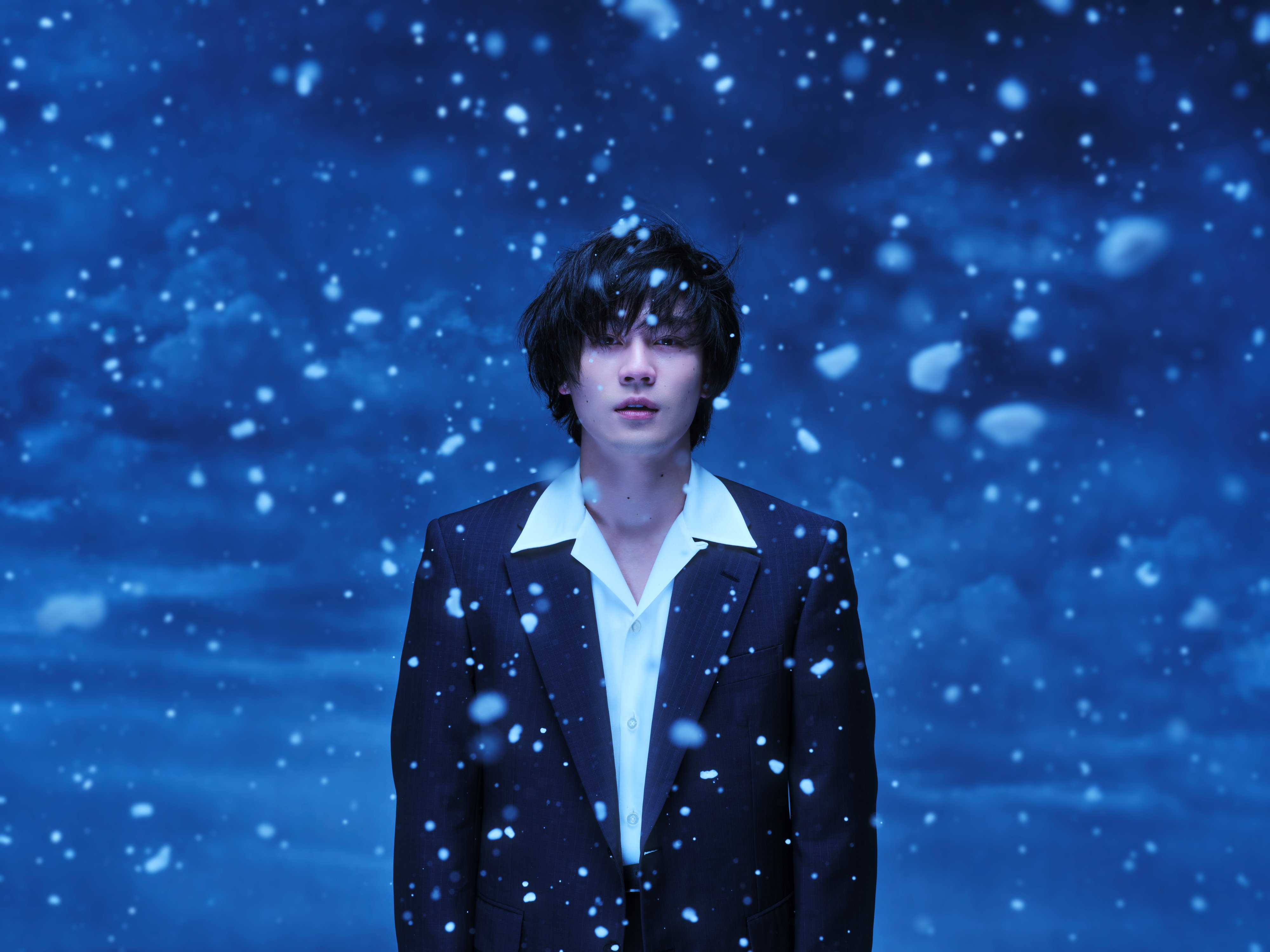
Known for his captivating, explosive performance skills in song and dance, his emotionally unguarded acting in dramas, and his radiant, unpolished charm on variety shows, Genta has long been a bundle of opposites. That duality makes him a natural fit for Koji—a boy who is quiet yet burning, fragile yet overwhelming once he opens his mouth to sing. Genta has said he intends to “give everything” he has into this role, and it feels less like a declaration than a promise. And nothing less but everything is expected from Genta. This is not a performance meant to be contained. It is meant to spill.
What makes Ore Bushi resonate so deeply with Genta is that it mirrors the contradictions he himself embodies. Like Koji, he is both unguarded and driven—someone whose warmth and humor draw people in, yet whose performances reveal an almost reckless emotional sincerity. The grit of Tsuchida’s world, where dreams are pursued without safety nets, and voices are earned through persistence rather than perfection, speaks to Genta’s own instinct to lead with feeling before form.
As an entertainer, he has built trust through openness—through letting audiences see effort, doubt, and joy in real time—and Ore Bushi asks him to do exactly that, without the protection of spectacle or ensemble. It is a work that doesn’t reward polish alone, but honesty, stamina, and the courage to be seen fully. In answering that call, Genta isn’t just performing Koji; he is aligning his craft with his character, affirming that the heart audiences respond to offstage is the same one he’s willing to place, unshielded, at the center of the stage.
The play will be performed from June 10 to 30, 2026, at Tokyo Tatemono Brillia HALL in Tokyo, from July 8 to 12 at Canal City Theater in Fukuoka, and from July 19 to August 2 at Sky Theater MBS in Osaka.
And surrounding him is a cast that understands how to hold space for growth. Koji’s partner and sometime mirror, the wandering guitarist Okinawa, is played by Yu Inaba, a seasoned stage actor whose work carries both steel and warmth. Having previously appeared in Fukuhara’s Asakusa Kid, Inaba brings a quiet reliability—a presence that watches, absorbs, and walks alongside rather than ahead.
Then there is Teresa, the foreign stripper who falls in love with Koji, portrayed by Chanmi Kim. Selected from an international audition spanning seven countries, Kim makes her Japanese stage debut here. Her poise, clarity, and strength lend Teresa a dignity that feels earned, not symbolic—a woman surviving in a foreign land, loving fiercely anyway.
Veteran actors deepen the world Koji must navigate. The influential singer Kitano Namihei is played by Toru Masuoka, while the street performer Ohno returns once again in the hands of Seiji Rokkaku, reprising his role from the original production. Their performances don’t just support the story; they anchor it, reminding us that dreams are always shaped by the voices that came before.
As Koji encounters mentors, rivals, lovers, and strangers scraping by in the corners of the city, he slowly discovers his own song—one that belongs to no one else. Along the way, beloved Showa-era classics like Kitaguni no Haru and Inochi Kurenai weave through the narrative, not as nostalgia for its own sake, but as proof of something timeless: that songs carry lives inside them.
There is no doubt that this work will show even more people the limitless potential Genta carries and the unmistakable joy he brings to everything he throws himself into. Ore Bushi gives him space to stand as he is—open, earnest, and unafraid to feel—and in doing so, it reminds us that the happiness he gives to audiences is born from how deeply he loves the act of creating itself.
Genta Matsuda – Comment
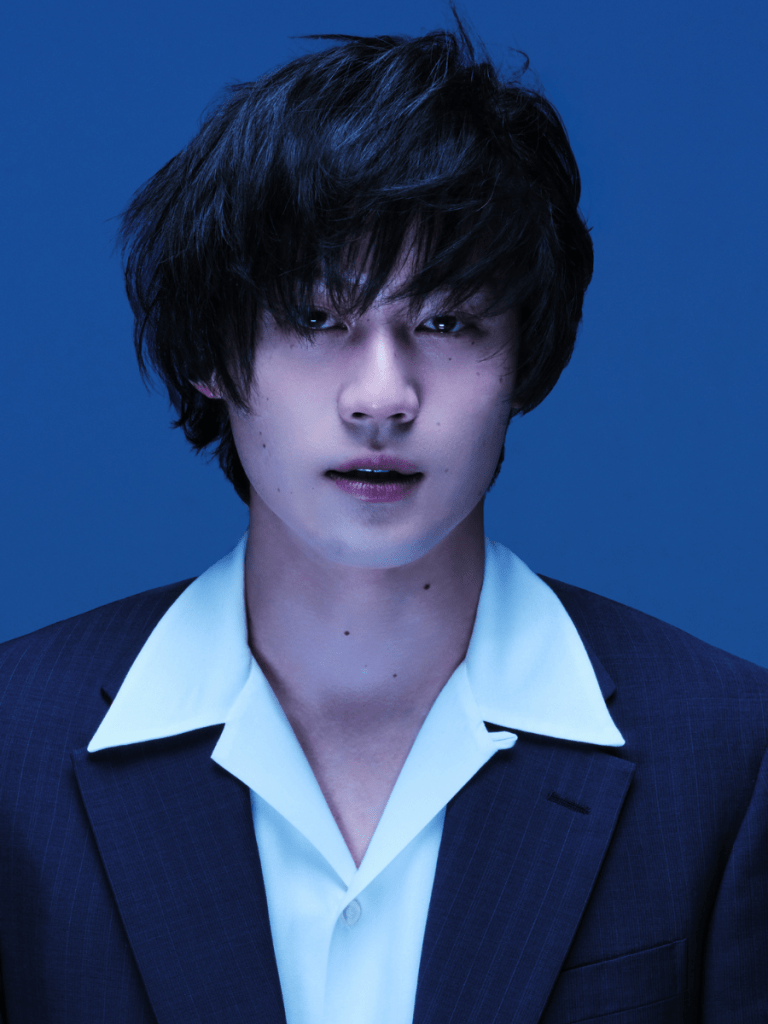
When I read the original manga, I felt, “So gritty! So raw!” At the same time, I could feel so many emotions rising up inside me, and the thought that I get to perform in a work like this, and play this role, makes me feel nervous, thrilled, and excited all at once.
When you close the manga and look at it from the side, it looks black—that’s how densely it’s drawn, how much energy is packed into it. The relationships between the characters and the world they live in are incredibly powerful and striking.
The melodies and lyrics of the songs, the voices of the people in the alleyways—it all feels like you can really hear it. Within that world, Kaiga Koji lives as an incredibly human character. That’s why I want to live fully inside this world myself, and I want to shake the audience’s emotions—again and again.
I’m also really looking forward to trying enka. Right now, all I can do is crash into it with my soul, but by the time this production ends, I want to be able to say, “I’m going to be an enka singer!”
It’s a great honor to take on a role that was previously played by Yasuda–kun (Shota), and Director Fukuhara has created an environment where we can work with a sense of security and enjoyment. From here on, I just want to give it my all and expand my range as much as possible.