
Some songs invite quiet reflection. Others push you to keep going when things get tough and there seems to be no path forward. “Shodo Never End” by B&ZAI falls firmly into the second category.
Following the success of their ROCK’N’DOL tour, which culminated last month with additional shows at Nippon Budokan, B&ZAI—Ryo Hashimoto (Vo./Gt.), Rei Yabana (Ba.), Taiki Konno (Gt./Vo.), Rinne Sugeta (Sax./Gt.), Katsuki Motodaka (Key.), Yujin Suzuki (Gt./Vo.), Hoshiki Kawasaki (Dr.), and Michiharu Inaba (Vn.)—delighted fans by uploading a live performance of their fifth and latest original song, “Shodo Never End” (衝動Never end), at the grand stage. The video quickly became a sensation, reaching a million views within a week of its release—an impressive feat for a Junior (pre-debut) group that has only been active for a year and a half.
“Shodo” (衝動) is often described as “impulse,” “urge,” or “driving instinct,” and that idea becomes the track’s emotional engine. Rather than presenting impulse as recklessness, the lyrics frame it as the force that keeps people moving forward when fear, uncertainty, and limitations threaten to stop them. The result is an uplifting anthem about growth, companionship, and refusing to accept the boundaries placed in front of you.
What makes it especially effective is that it doesn’t begin in triumph; it starts with isolation and hesitation, and then gradually transforms those feelings into a spark of change.
Rather than opening with dramatic suffering, the composition kicks off with a far more relatable emotion: the nagging feeling that everyone else is moving forward while you’re standing still. Member Ryo wakes up feeling like he was ‘left behind’ (“nandaka kokoro ga sukoshi oitekibori no asa”), not devastated or broken, but slightly disconnected from the world around him. Immediately after, Rinne focuses on speaking to the reflection in the mirror (“kagami no naka no jibun ni iikikaseru”), creating the image of someone who must become their own source of motivation before anyone else can offer support. This is a subtle yet significant distinction: the process toward change begins from within.
One of the strongest metaphors appears shortly afterward in the form of a huge wall created by someone (“darekaga tsukuridashita okina kabe ni”), mentioned by Michiharu. This obstacle is not presented as fate, nature, or an unavoidable reality; it is something constructed. Whether it symbolizes social expectations, personal insecurities, or limitations imposed by others, the underlying message remains the same: the roadblocks that seem insurmountable are not necessarily permanent, nor are they beyond challenge.
Then, Rei jumps in with a hopeful and reflective line, serving as a bridge between uncertainty and newfound confidence: before he knew it, the scenery had suddenly begun to change (“futo kizukeba kyu ni kawari hajimete ita keshiki“). The emphasis isn’t on a dramatic event, but on a quiet revelation; while he was focused on taking one step at a time, both he and his world were transforming in ways he hadn’t noticed. This message also connects neatly to the next section, where Katsuki forces out the words ‘It’s okay’ (“‘daijobu-sa’ tte furishibotte koe ni shita”), suggesting that reassurance doesn’t come naturally. This makes the song’s optimism feel earned rather than automatic. The realization that the world is changing doesn’t erase fear—it inspires the group to confront it, one spoken affirmation at a time. The repeated imagery of being carried by the wind while continuing to look toward the sky (“kaze ni fukare bokura yura renagara” ~ “sora o miageta aa…” / “kaze no mukogawa ni te o nobashita” ~ “sora wa sunderu aa…”) creates the feeling of a journey that is neither easy nor guaranteed, but worth pursuing nonetheless.
By the time the chorus soars with collective promises of defying fate and reaching a world beyond imagination (“unmei o koete kimi to sozoijo no sekai o” ~ “isshinfuran ni Go ahead! kakenukete ku”), “Shodo Never End” stops feeling like a mere piece of music and begins to feel like a statement of purpose. Every declaration is delivered with such passion that it’s impossible not to be swept up in them. The unit’s conviction shines through every verse, and a palpable sense of determination resonates in every note. Their voices carry the excitement, urgency, and ambition of eight artists committed to achieving their dreams together, no matter the difficulties ahead. As a result, the track becomes more than a motivational anthem; it becomes a heartfelt testament to perseverance, unity, and the relentless pursuit of one’s aspirations.
Having established a sense of boundless momentum, the centerpiece pivots to the simple yet powerful thread that holds it together: “doko e demo kimi to ikitai” (“I want to go anywhere with you”). While the surrounding lyrics focus on limitless possibilities and personal growth, this line, first spoken by Hoshiki, grounds those desires in a human connection. The future matters not because of where it leads, but because of who is sharing the experience with you. By reducing the band’s goals to the simple wish of wanting to go anywhere with the audience, the passage gives the hook warmth and sincerity, turning abstract hope into something deeply personal.
The emotional climax arrives with a deceptively simple sentiment: carried by the wind, Yujin remembers how to fly (“kaze ni fukare nagara omoidashita” ~ “sora no tobikata Alright”). Not learns—remembers. The capacity for growth and freedom was never absent; it had simply been obscured by doubt, fear, and setbacks. This idea echoes beyond the members’ own journeys and speaks to the experiences of many fans who have been following them since their first steps as well. The path forward is therefore not one of acquisition, but of rediscovery. Healing and self-transformation are not about becoming someone else, but about reclaiming something essential that was always there. Thus, these stars do not emerge as new individuals; rather, they reclaim the strength, ambition, and resolve that they have possessed all along.
By the final chorus, when leader Taiki proudly shouts that no one can stand in B&ZAI‘s way (“darenimo jama wa dekinai“), you’re not just listening to their story—you’ve become emotionally invested in seeing those dreams come true. The statement feels like the culmination of everything that came before: every doubt overcome, every setback endured, and every aspiration carried forward. It feels as though all their hard work and dedication have been distilled into music. The final message isn’t that the obstacles disappear; it’s that the impulse to keep going is stronger than any of them. And that impulse, as the title insists, never ends (“kanzen ni shodo Never end”).



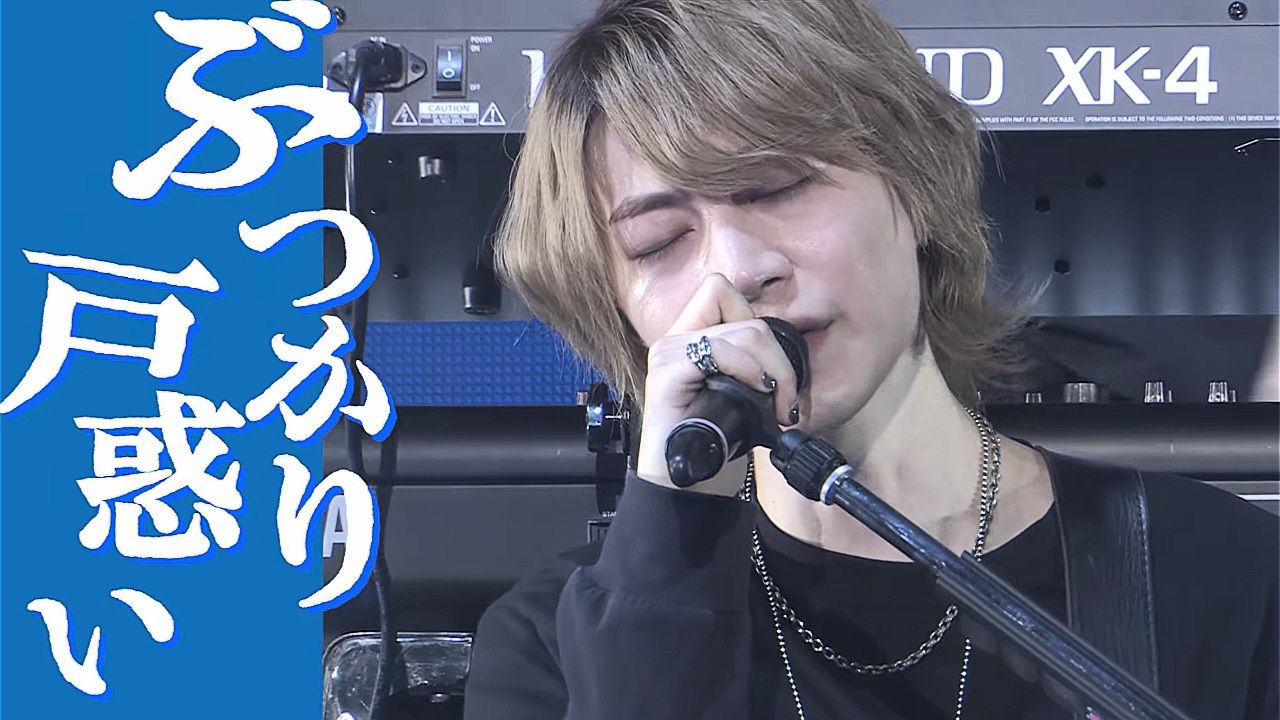
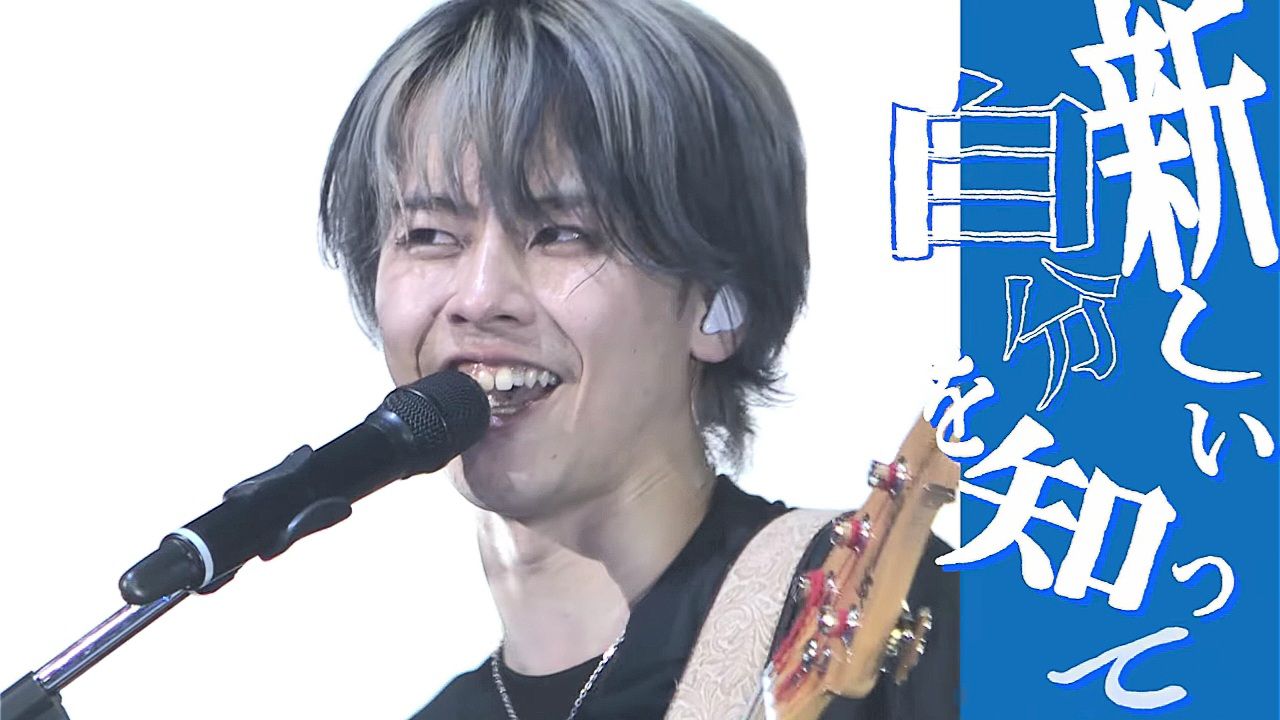



There are countless songs about charging forward, but only a few manage to send a surge of hope through your veins. “Shodo Never End” is one of those rare tracks that leaves you feeling stronger than you did before pressing play, making it—just like B&ZAI themselves—unwavering, undeniable, and unstoppable.
Check out the Juniors on their various social media platforms!
More B&ZAI Content on Dumpling Box
![[GIVEAWAY!] B&ZAI LIVE 2026 Summer Beat Goods](https://dumplingbox.org/wp-content/uploads/2026/08/BZAI-giveaway-1200x900.png?crop=1)





Something went wrong. Please refresh the page and/or try again.