
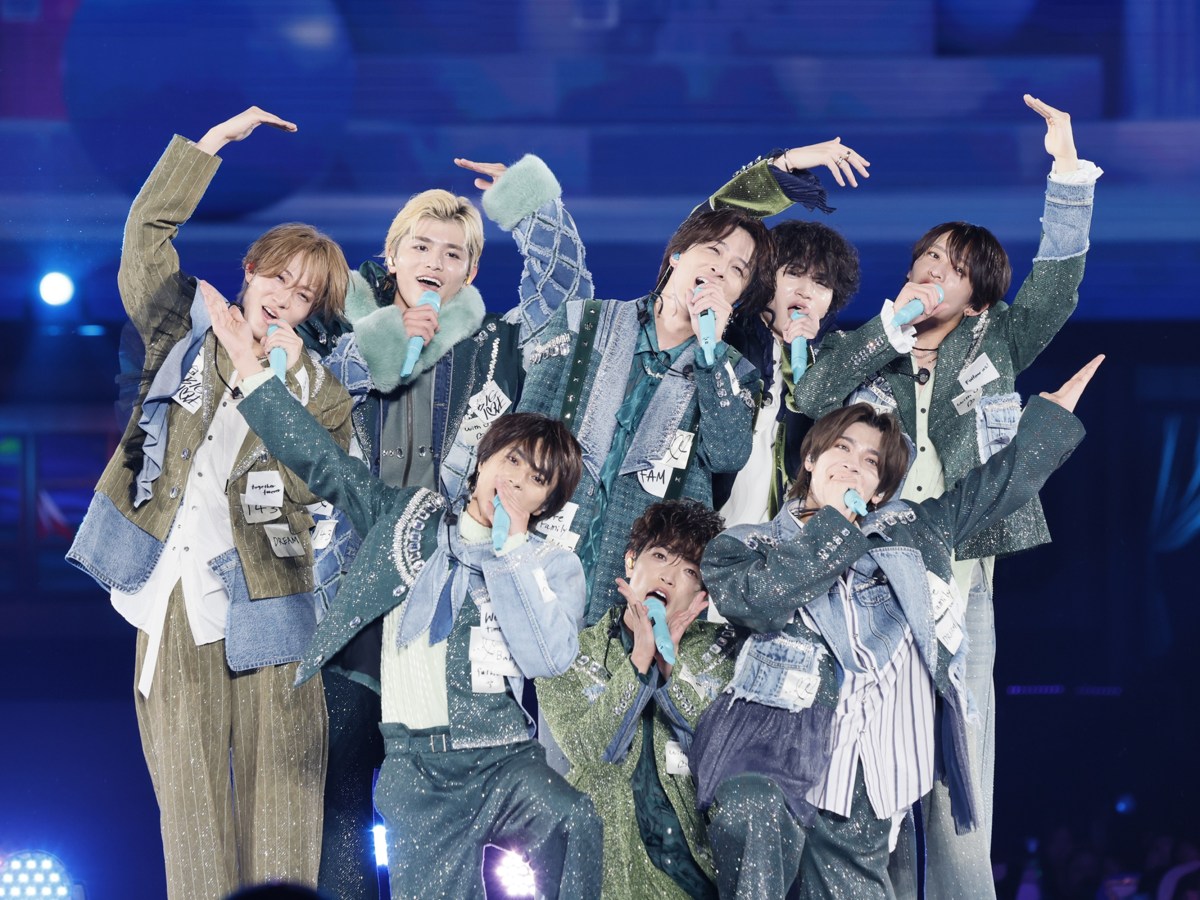
For Taiki Shinozuka, 2026 has already been a year of momentum. Since joining timelesz through the globally watched timelesz project -AUDITION-, he has stepped onto arena stages, dome stages, and television screens across Japan. Now, he is preparing to take a different kind of stage entirely.
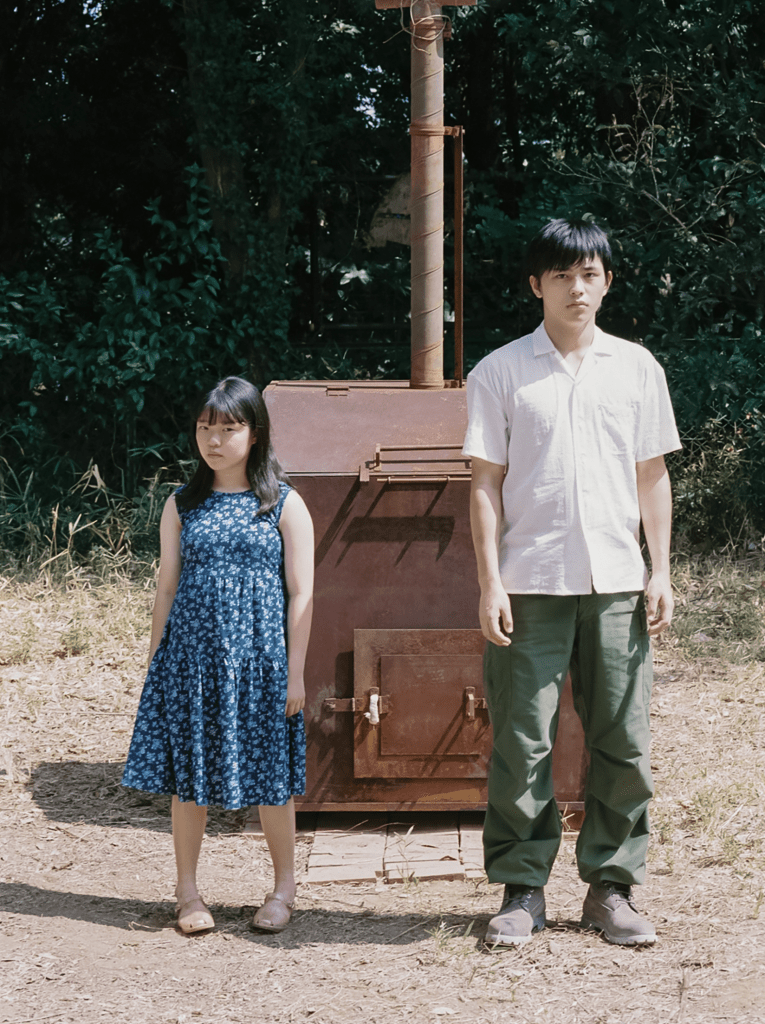
The biggest news surrounding Incinerator (Shoukyakuro) is its selection for the Proxima Competition at the 60th Karlovy Vary International Film Festival, one of Europe’s most respected showcases for emerging and innovative cinema. The film will hold its world premiere at the festival this July, introducing it to an international audience before its Japanese theatrical release in 2027. Adding to the excitement for fans, the project also marks Taiki’s feature film debut, placing the timelesz member on a global stage from the very start of his acting career.
Adapted from a short story by acclaimed novelist Kaori Ekuni, Incinerator explores the fragile emotional landscape between childhood and adulthood. The original story appears in The Smell of Watermelon, a collection of interconnected summer memories centered on eleven young girls. Like much of Kaori’s work, the story captures emotions that resist easy explanation—loneliness, longing, curiosity, and the quiet ache of growing up.
While Incinerator marks his first feature film role, Taiki has already begun building his acting résumé on television. Earlier this year, he took on the lead role of Satoru Oda in the first episode, “The Night That Vanished,” of S DRAMA’s psychological drama series MEMORY ACQUIRER. The role offered audiences an early glimpse of his acting abilities and demonstrated his willingness to explore emotionally complex characters beyond his work as an idol.
At the center of the film is fourth-grade student Kozue Miyata, played by newcomer Karin in her acting debut. Kozue struggles to find her place in the world around her. Though she attends school, she remains disconnected from her classmates, often slipping out of the classroom or leaving early. To cope with feelings she cannot fully name, she develops a private ritual: throwing objects into an abandoned incinerator hidden behind the school.
Everything begins to shift when a university shadow-puppet club visits her elementary school during summer vacation.
Among them is Jinta Suzuki, portrayed by Taiki.
Mysterious, gentle, and difficult to understand, Jinta immediately captures Kozue’s attention. One afternoon, she discovers him standing at the same incinerator she considers her secret refuge, quietly discarding something of his own. The encounter sparks an emotional connection that feels, to Kozue, something like a first love—an innocent but profound awakening that blurs the boundary between admiration, fascination, and self-discovery.
For Taiki, the role marks his first experience inhabiting a character outside of himself.
“Every day on set felt fresh and overwhelming,” he reflected. “Living as a character was challenging, but thanks to the director and everyone around me, I was able to give it everything I had. This film has become an unforgettable and precious work for me.“
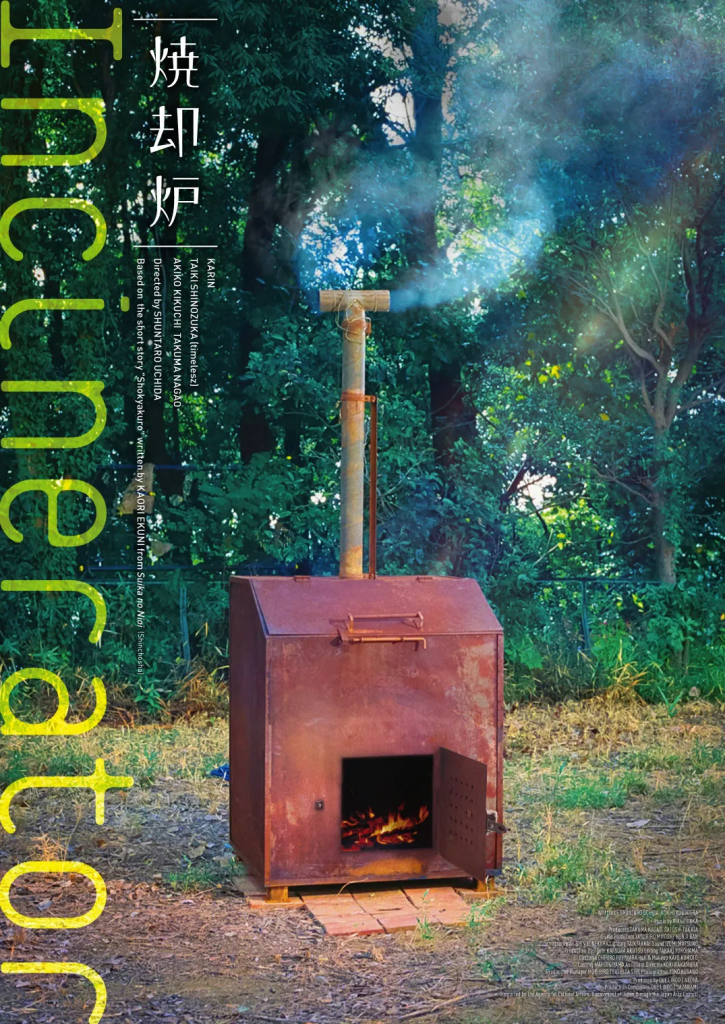
Director Shuntaro Uchida, known for his documentary A 74-Year-Old Pelican Sells Bread, described the project as an attempt to reconnect with sensations often lost in adulthood.
“While making this film, I found myself remembering small moments from childhood,” he said. “They were delicate, unstable feelings that I had almost forgotten. I am filled with both nervousness and excitement to see how these memories and emotions will be received so far from Japan.”
That emotional authenticity appears to be exactly what impressed Kaori herself.
The novelist, whose works including Twinkle Twinkle and Between Calm and Passion have been adapted for screen, admitted she was surprised by how effectively the film translated feelings she had always believed could only exist in words.
“The atmosphere of those summers is so vivid that you can almost smell it,” she shared. “Fragments of memories I had forgotten—or perhaps wanted to forget—came rushing back. I was moved by how the film captured the uncertainty of childhood and the hesitation of adulthood with such texture and honesty.”
The film’s selection for Karlovy Vary is a significant milestone. Established in 1946, the festival is one of the world’s oldest and most respected international film events, showcasing both emerging voices and celebrated filmmakers from around the globe. For a quiet, deeply personal story centered on a lonely child and an unexpected connection, the invitation signals confidence in the film’s universal emotional resonance.
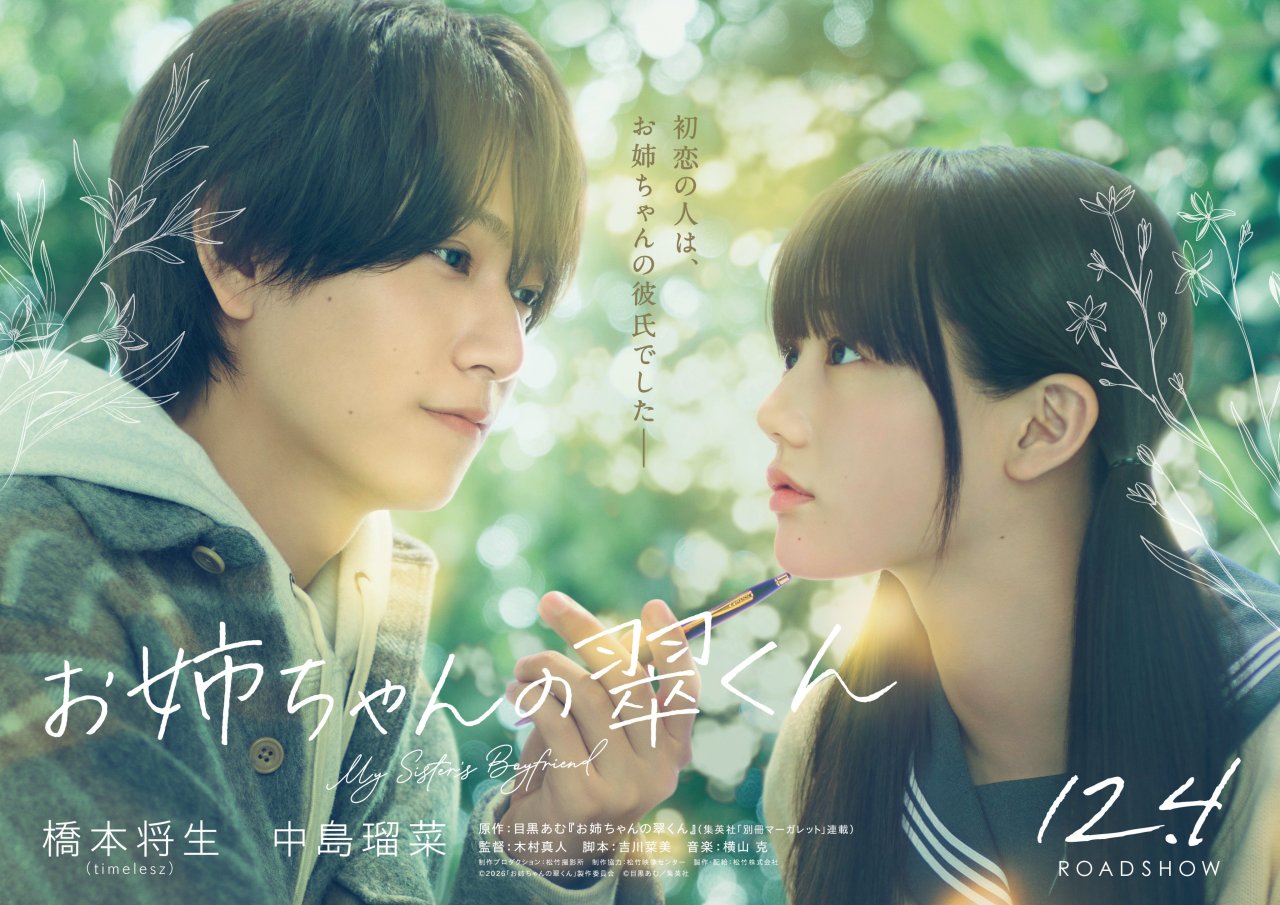
For timelesz fans, Incinerator represents another chapter in Taiki’s remarkable evolution. Audiences first met him as a hopeful contestant chasing a dream. Since then, they have watched him grow into a performer standing in arenas and domes alongside his members. Through projects like MEMORY ACQUIRER, the timelesz project -REAL-, and now his feature film debut, he continues to expand his creative horizons not only as an actor, but as an individual as well.
The stage lights may be different, and the audience may be seated in darkness rather than among the sea of waving penlights, but the journey feels familiar.
It is the story of someone continuing to discover new versions of himself—and inviting others to come along for the ride.
More timelesz on Social Media
Watch “timelesz project -AUDITION-“
More timelesz on Dumpling Box



![[S DRAMA] “MEMORY ACQUIRER” Ep.1 The Night That Vanished—Now Streaming with English Subtitles on YouTube](https://dumplingbox.org/wp-content/uploads/2026/04/S-DRAMA-ENG-SUBS-1280x720.png)

Something went wrong. Please refresh the page and/or try again.