
There are pivotal moments in a group’s musical journey when the air changes in an imperceptible yet profound manner. It is not an abrupt rupture or a frantic pivot to capture attention in a voracious market, but rather a natural settling —a collective exhale where sophistication replaces haste and authenticity supplants artifice. That is precisely the atmosphere surrounding So honey, King & Prince‘s first EP, and most notably in the official music video for its title track.
With Ren Nagase and Kaito Takahashi taking the creative helm, industry observers and listeners alike wondered which direction their artistic vision would take. Would they rely on the immediate impact of electronic pop, or would they seek an organic maturity that celebrates space, quietude, and genuine camaraderie? The answer provided by this project is far more than a musical release; it is an aesthetic, emotional, and deeply human statement of intent. Throughout this article, we will analyze in detail both the visual language of the music video and the musical richness of the tracks on the EP, examining how they converse to construct a warm and deeply comforting sonic haven.
The Language of Wind and Light — Visual Analysis of “So honey”
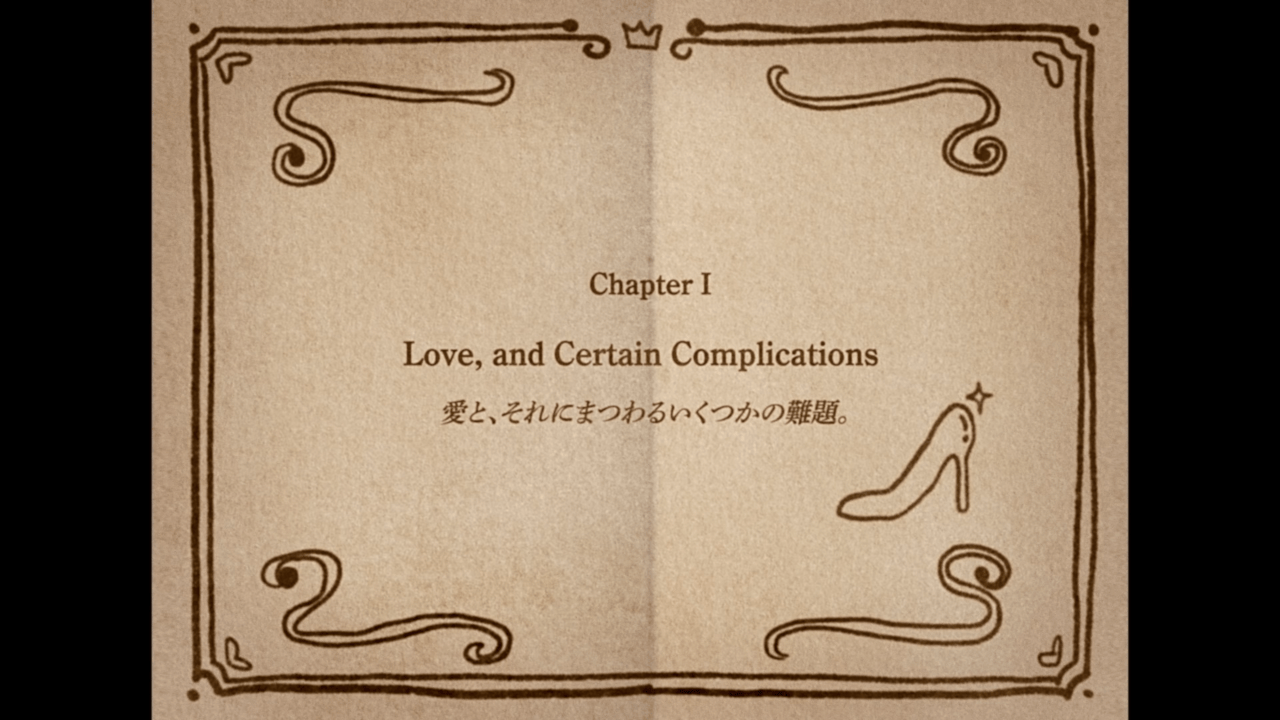
The visual story opens in the quiet sanctuary of a bookstore. Surrounded by dark mahogany bookshelves, muted ochres, and soft, filtered light that feels like a perpetual late afternoon, Ren and Kaito invite us into an almost literary atmosphere. This initial setting conveys quiet reflection, memory, and patience; it is a space where affection is not shouted, but carefully contemplated in silence. In this way, the music video creates a common thread using a book’s structure as its starting point, dividing the narrative into chapters. The first chapter, “Love and Certain Complications,” kicks off the story, shifting radically from the enclosed space of the bookstore to an open setting where we meet the dancers who will support the narrative throughout the rest of the video
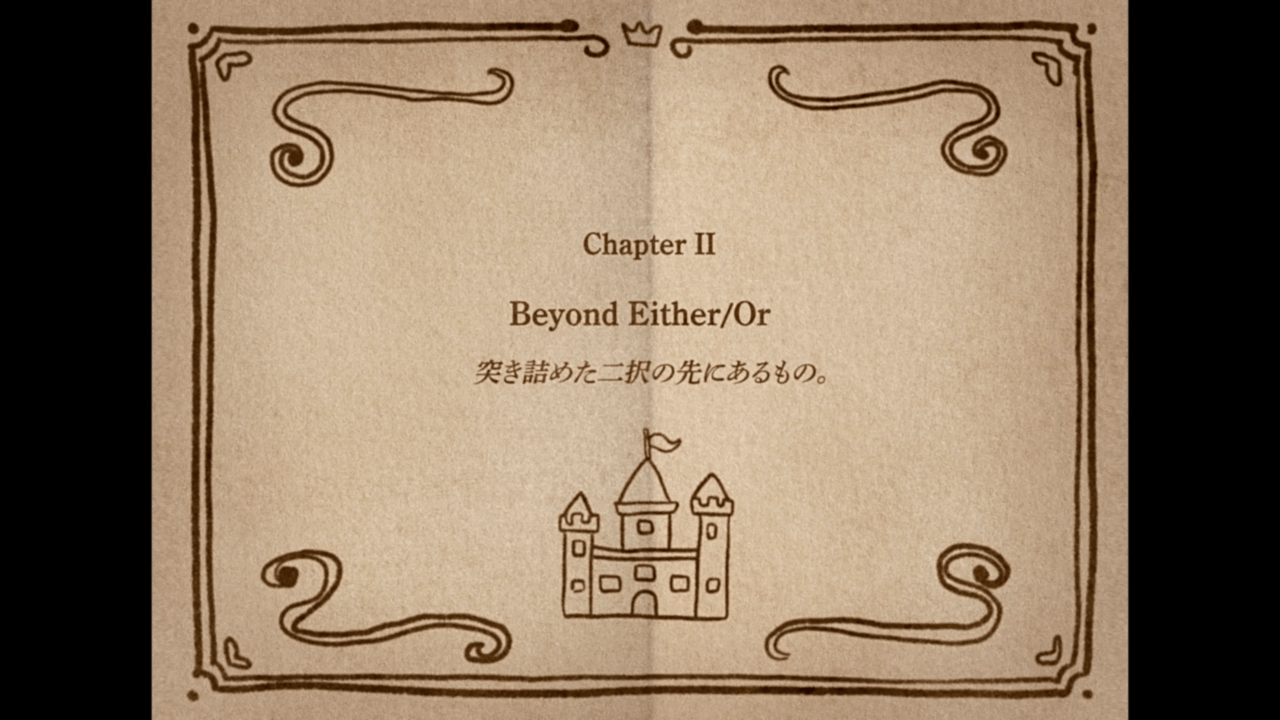
Through a continuous shift of moving panels, the different settings of our “love story” are introduced. In the second chapter, “Beyond Either/Or,” we are shown a restaurant scene —a classic spot for a romantic date. However, the protagonist of our story sits at the table looking out the window, accompanied by an unopened bottle of wine, showing clear signs of waiting for someone who doesn’t seem to be arriving anytime soon.
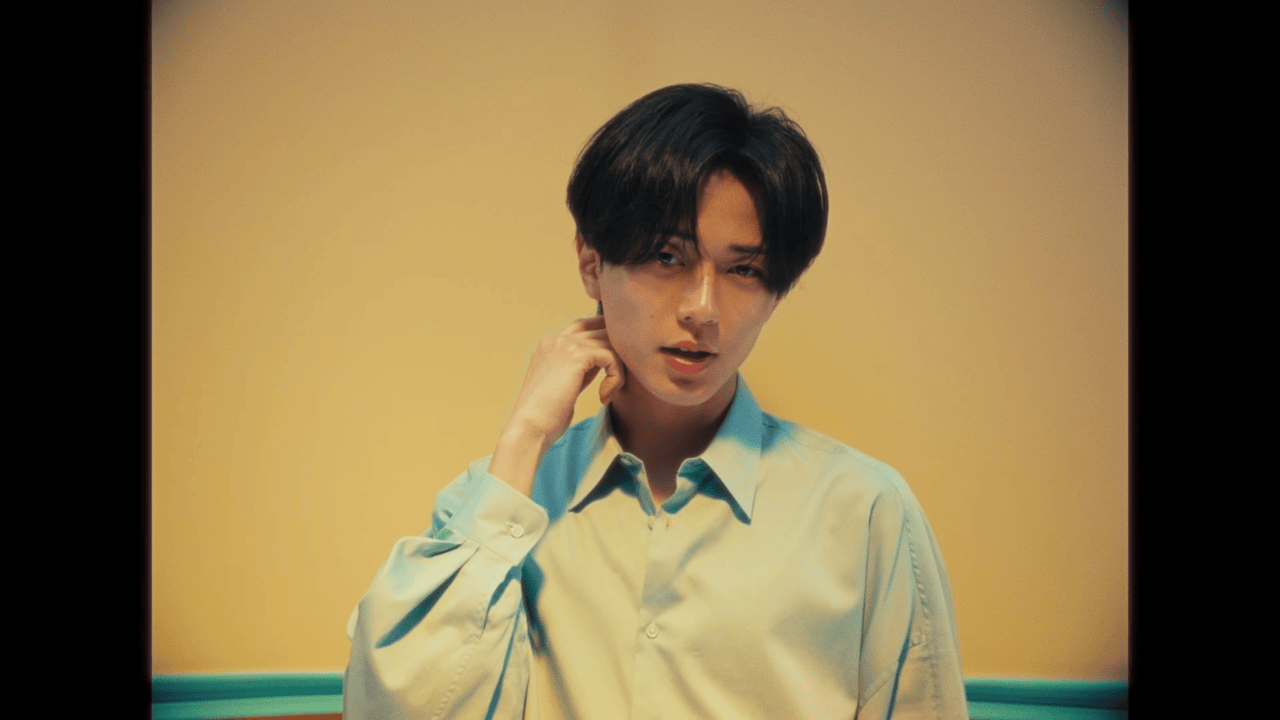
As the video progresses, that intimate world expands into a strikingly different aesthetic: an interior defined by sleek architectural lines, sweeping staircases, and a clean pastel color palette featuring dusty pinks, soft creams, and pale mint greens. By contrasting colors like aquamarine blue and orange-yellow, it references the tension between sweet and bitter as two necessary counterpoints of the same concept: “love.” Here, the atmosphere undergoes a complete transformation. Ren and Kaito wear formal, elegant attires, and the choreography takes center stage through precise, synchronized, and intentionally repetitive movements. Far from feeling distant, this repeated phrasing functions as a beautiful metaphor for the rituals of courtship, social grace, and the careful steps one takes before fully letting one’s guard down.
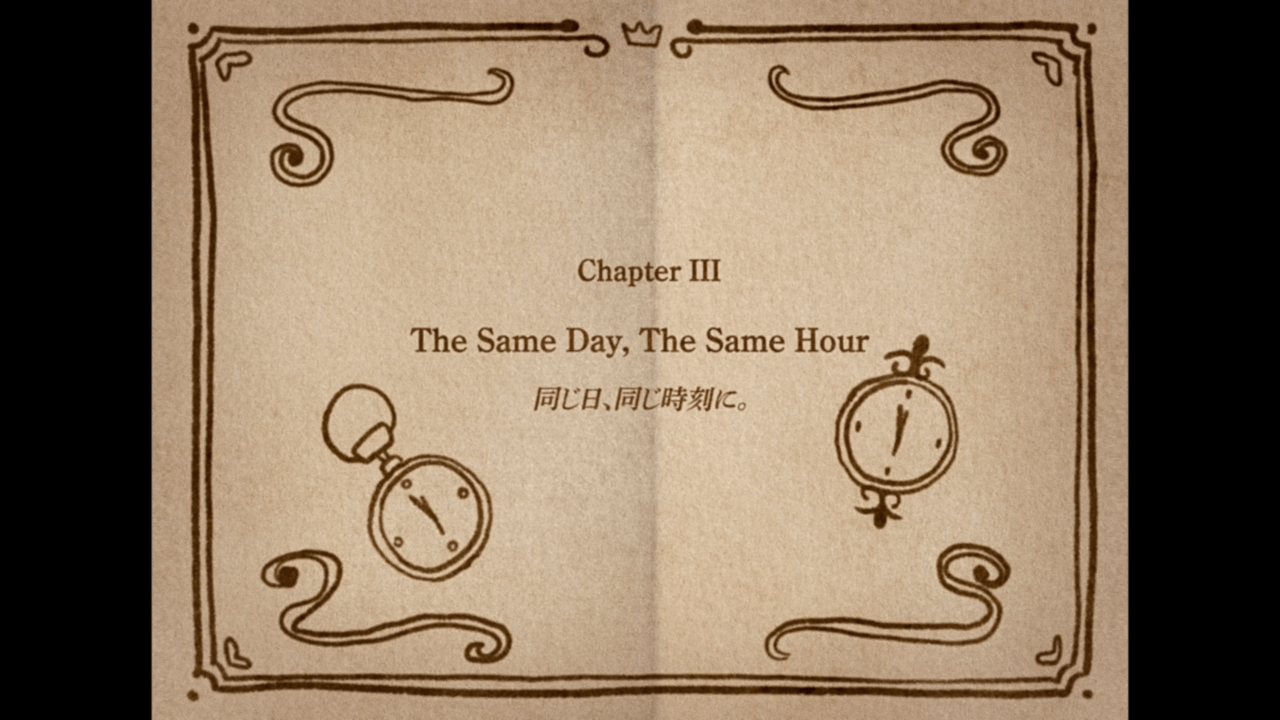
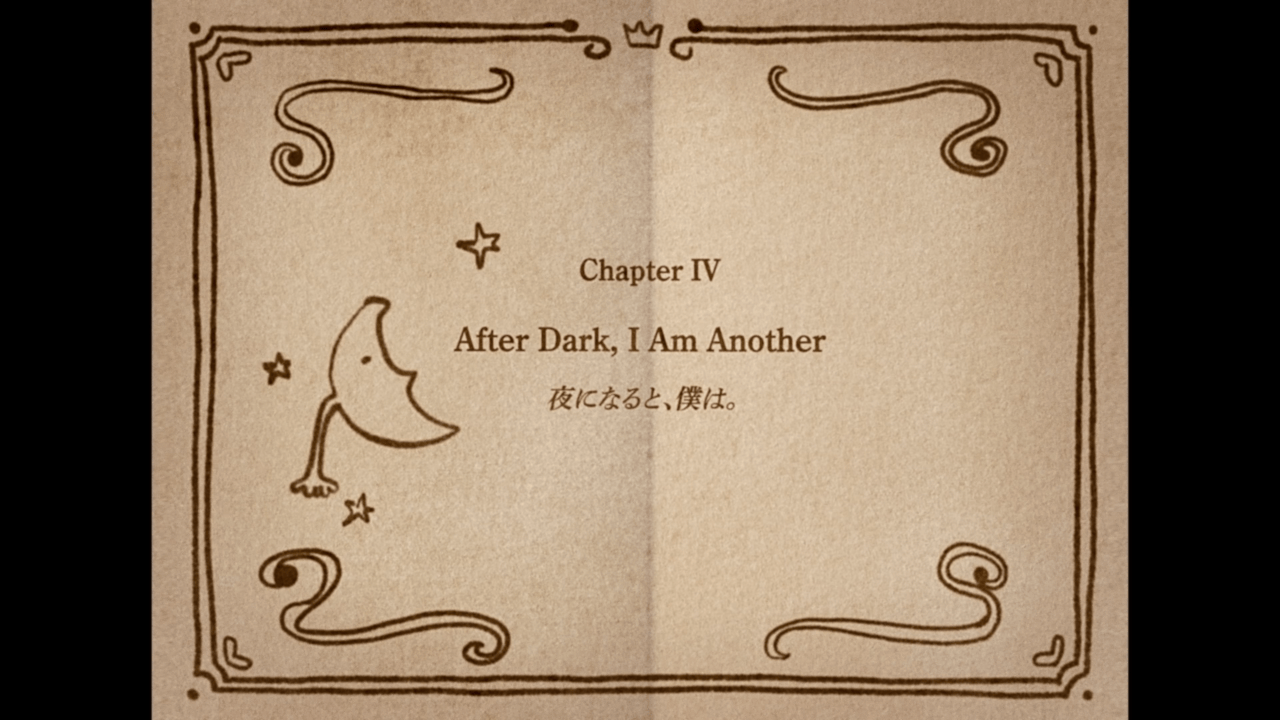
The third chapter marks the midpoint of the story. “The Same Day, The Same Hour” is defined by those previously mentioned pastel colors, with a prevalence of pinks and purples alongside a touch of light blue. In the central set, the focus is on Kaito and Ren‘s solo choreography, surrounded by linear structures and staircases where the dancers pose in identical outfits, differing only in the shade of their fits. Once again, this bright, groundbreaking setup contrasts with the following scene, which returns to the bookstore as its primary location. Accompanying a slower, more reflective moment in the melody, we see Kaito holding a book, illuminated only by a direct beam of light simulating sunlight filtering through a window while his surroundings remain in shadow. This leads us to Chapter four, “After Dark, I Am Another,” where we return once more to that imaginary setting of irregular lines and contrasting warm and cool colors, filled with constant references to romantic symbolism —such as plucking petals from a flower, a classic emblem for making a decision about love.
The final chapter, “Love, and its Noblest Impulse,” serves as the narrative’s emotional resolution, shifting the mood from quiet introspection to vibrant liberation. Leaving the dim, enclosed library behind, Kaito and Ren step through a narrow hallway that acts as a threshold, transitioning from isolation into an expansive, sun-drenched open meadow. This shift in scenery symbolizes the culmination of their journey, replacing the shadowy interior with bright, warm light and sprawling greenery. The contrasting color palette reaches a harmonious balance here, blending soft natural tones with the warmth of the sun to convey a sense of peace after emotional uncertainty. The metaphor in this final section is clear: Who hasn’t felt like they were flying when they are in love? By framing love as a transcendent, noble force, this closing sequence brings the music video’s book -like structure to a triumphant, uplifting end.
If one had to distill the initial sensation of watching the “So honey” music video into a single word, it would be “oxygen”. In an international pop landscape often overcrowded with rigid studio setups, strobe lighting, hyper-edited millisecond cuts, and heavy digital effects, King & Prince have embraced the boldness of simplicity. The production opens into a wide horizon: an open field bathed in soft, diffused natural light beneath a sky where clouds drift lazily. From the opening moments, the iconic visual of Ren and Kaito leaping and reaching for each other’s hands mid -air against the lush green landscape serves as a perfect emblem of their current era. There is something inherently poetic about that moment. The video’s movement is not built around rigid, military-style choreography or hyper-symmetrical poses calculated solely for short-form social media trends. Instead, we observe an unforced flow of shared glances, spontaneous laughter, and physical ease reminiscent of a quiet spring afternoon. The recurring gesture of reaching for one another is not a theatrical gimmick, but a visual expression of the mutual trust that anchors the duo’s creative partnership.

From a technical standpoint, the camera direction operates with commendable restraint. Fluid tracking shots, gentle pans, and a subtle application of slow motion elongate moments of ease. The camera never behaves like a distant observer or an intrusive presence; it moves alongside the artists as if it were another friend walking by their side, as a spectator to the unfolding love story. This technical approach dismantles the traditional barrier between idol and listener, inviting the viewer into a welcoming and calm environment.
In summary, the “So honey” music video acts as a restorative balm. It deliberately eschews complex storylines or obscure symbolism to focus on what matters most: unpretentious love, the joyful acceptance of the present moment, and the simple beauty of sharing an open space with someone you trust implicitly.
Sonic Architecture — Track-by-Track Narrative Analysis of the EP
If the music video opens the doors to this bright and unuttered world, the EP in its entirety furnishes it with a rich variety of musical textures. Across its six tracks, King & Prince construct a cohesive narrative arc that glides between elegant City Pop, cozy R&B, retro funk flourishes, and introspective acoustic pop. Below is a detailed exploration of the identity and artistic value of each track.
So honey
As the leading single and title track of the record, “So honey” immediately defines the tonal identity of the entire project. It is a mid-tempo pop composition infused with a gentle, sophisticated, and memorable groove. The production avoids overwhelming loudness, choosing instead to highlight an airy instrumentation where funk-inspired rhythm guitars interact with warm, round basslines.
Vocally, the synergy between Ren and Kaito exhibits impressive refinement. Ren‘s smooth, velvety tone provides a natural balance to Kaito‘s expressive warmth and subtly textured voice. Neither singer competes for dominance; instead, they pass lines back and forth to maintain the song’s effortless flow. “So honey” is a luminous track that conveys affection without slipping into sentimentality, offering the same sense of comfort as a quiet sanctuary away from the noise of the world.

Sign of Love
Moving into the second track, the atmosphere shifts toward a more nocturnal, introspective mood. “Sign of Love” steps gracefully into contemporary R&B and mature urban pop. Its structure relies on a steady, unhurried rhythm built upon understated percussion and atmospheric synth pads that evoke city lights reflected through a window on a quiet night.
Lyrically, the song explores those subtle gestures of care that often go unnoticed in the routine of daily life yet form the foundation of true human connections. The vocal delivery remains intentionally restrained, utilizing soft dynamics and well-placed falsettos. It demonstrates that emotional impact does not require dramatic belting, but rather a thoughtful, sincere delivery of every phrase.
Usodayo Sukidayo (うそだよ すきだよ)
We arrive at the emotional centerpiece of the EP with “Usodayo Sukidayo” (“It’s a lie, I love you”), a track that delves into the delicate balance between affection and vulnerability. The song examines the human tension between protective pride and the overwhelming urge to express true feelings. Musically, it is built upon a delicate piano foundation that gradually expands with an elegant string arrangement.
The song carries that luminous melancholy so characteristic of the finest Japanese pop ballads. The way both vocalists navigate the chorus —moving from hesitant whispers to open, heartfelt singing—captures uncertainty and devotion with complete clarity. It is a poignantly crafted track that adds emotional weight and depth to the record.
Salty Dog
Providing a vibrant contrast, “Salty Dog” introduces a refreshing dose of rhythmic energy, playfulness, and urban style to the collection. Inspired by retro funk, classic grooves, and sophisticated disco, the track is driven by a walking bassline that moves the song forward with effortless poise, accompanied by crisp brass accents that lend it a cosmopolitan air.
This track highlights the duo’s versatile and relaxed side. The vocal delivery is more rhythmic and playful, evoking the atmosphere of a relaxed evening gathering after a long day. “Salty Dog” effectively balances the emotional weight of the preceding ballads, proving that the group is equally comfortable delivering thoughtful pop or well-crafted, danceable rhythms.
Chillin’ Dizzy
Living up to its title, “Chillin’ Dizzy” serves as a direct invitation to unwind and step away from daily stress. Drawing inspiration from Lo-Fi pop and modern chillout aesthetics, the track wraps the listener in chorus-soaked electric guitar chords and easygoing drum patterns that maintain a relaxed pace throughout.
The subtly processed vocal textures create an atmospheric, almost hypnotic environment —akin to letting one’s thoughts drift while watching the landscape pass by on an evening train ride. It is an atmospheric piece that reinforces the EP’s overarching goal: providing moments of calm and comfort for the listener.
Umakuienaikedo (うまく言えないけど)
The EP concludes with “Umakuienaikedo”, a closing track filled with gratitude, calm, and quiet maturity. This composition functions as an intimate, heartfelt epilogue. The arrangement returns to the warm resonance of the acoustic guitar, stripped of extraneous production elements to place full focus on the melody and sincere vocal delivery.
The lyrics reflect on the difficulty of finding the exact words to express gratitude to those who walk alongside us in life, ultimately suggesting that presence, shared quiet moments, and music often communicate far more than grand speeches ever could. It stands as a fitting close for a project defined above all by its honesty.
The Art of Honest Simplicity
In a music industry dominated by speed, noise, and constant pressure for high-concept reinvention, King & Prince have delivered with the “So honey” EP and its music video a clear statement of artistic maturity. Ren Nagase and Kaito Takahashi have recognized that the true strength of their current era lies not in chasing fleeting trends or overproducing their music, but in cultivating an approach rooted in refined simplicity, musical comfort, and genuine partnership. Through its bright visual landscape and the careful craftsmanship of its six tracks, “So honey” goes beyond a standard commercial release to become a welcoming space listeners will want to revisit. Ultimately, it affirms that the most enduring pop music is not that which demands attention through sheer volume, but that which accompanies the listener with warmth, patience, and truth.

Follow King & Prince for more updates!
STARRING special accounts!
MORE KING & PRINCE ON DUMPLING BOX!







Something went wrong. Please refresh the page and/or try again.