
On May 15, 2025, Ae! group—Yoshinori Masakado, Seiya Suezawa, Ken Kojima, and Masaya Sano—celebrated their first full year since debut (originally as a five-member group). 365 days that transformed them from Kansai’s rising stars into one of STARTO’s most dynamic, rising acts. Their debut single “《A》BEGINNING,” released on May 15, 2024, set off a chain reaction of tours, variety breakthroughs, music releases, and growing media presence.
Ae! group is set to headline the long‑awaited sequel to the live‑action Osomatsu‑san film, originally portrayed by Snow Man in 2022. Joined by their beloved friend and Kansai Junior Takuya Nishimura, the six‑man cast will bring a distinctly Kansai flavor to the beloved sextuplets when the movie hits theaters in June, 2026.
2026 is already shaping up to be loud, messy, and absolutely unforgettable—and there’s no ensemble better suited for it than this chaotic Kansai six.
Against this backdrop, the members have experienced dramatic shifts in their individual careers, too. Their acting roles, voice work, stage and musical contributions, and even personal challenges have shaped Ae! group’s story in palpable ways, revealing the depth and complexity behind the group’s first year, much to fans’ joy and excitement.
The spotlight began with Yoshinori Masakado, but following him is his double-center partner: Seiya Suezawa.
Seiya Suezawa | 末澤誠也
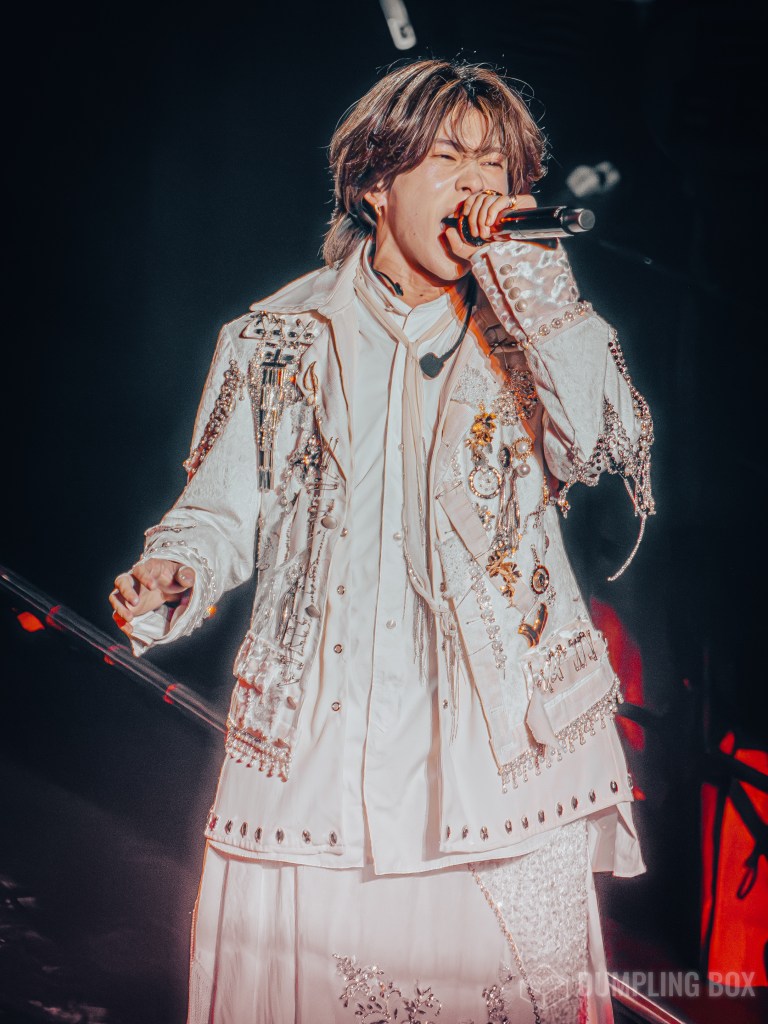
Seiya resonates not only with Ae! group fans but with anyone who has watched even a fraction of his long journey in the industry. Maybe it’s his stubbornness, or the way he pours his entire heart into every performance, or the fact that despite every obstacle, he carved out his own space in the spotlight through sheer willpower.
As the oldest member, he’s often the target of teasing—about his height, his age, anything—and yet he always fires back with the same spirit that earned him the nickname “Kansai’s Mad Dog.” These days, he’s more chihuahua than guard dog, but the fire has never dimmed.
Explosive as a cherry tomato and larger than life on stage, Seiya has a presence that shrinks the venue around him. When he stands in the spotlight, the world briefly consists of only him. And maybe that’s why the word that fans most associate with him is pride.
Not only because of his unwavering dedication, but because of the way he embodies Ae! group’s grit, spirit, and refusal to give up. Few songs capture that better than “PRIDE” — a track that feels almost written for him — where his voice becomes the emotional engine of the performance. Seiya’s journey is a living reminder that success is not always handed to you; that sometimes the ones who begin in the back row are the ones who shine the brightest when their moment finally comes.
As the oldest member and one of the strongest vocal pillars of Ae! group, Seiya’s evolution has been gradual but steady—but 2024–2025 marks the moment his potential breaks open, allowing him to finally step into roles and stages that reveal the full breadth of what he has always been capable of as an actor. What had long existed beneath the surface—his emotional depth, raw sensitivity, and innate ability to carry tension—now emerges as he steps beyond music and onto the screen with commanding presence.
Film: “Mentor” (2026)

Announced in 2025, Seiya steps into a new chapter of his career with his first-ever leading role in a feature film, the 2026 psychological drama “Mentor,” co-starring acclaimed actor Hayato Isomura. For Seiya—long celebrated as the group’s emotional vocalist—this project marks a pivotal shift from musical performance to full-scale cinematic storytelling.
In Mentor, Seiya takes on his most emotionally demanding role yet—Takumi Kamitani, a young man still frozen in the aftermath of a tragedy he experienced fifteen summers ago.
Mentor marks a turning point in Seiya’s career, and he described the experience as both overwhelming and exhilarating, saying, “Of course there’s pressure… but the joy and determination are stronger.” His comments hint at a performer standing on the edge of a new chapter—one defined not only by vocal power, but by cinematic presence.
Drama: “彼女と彼氏の明るい未来” / Kanojo to Kareshi no Akarui Mirai (2024)
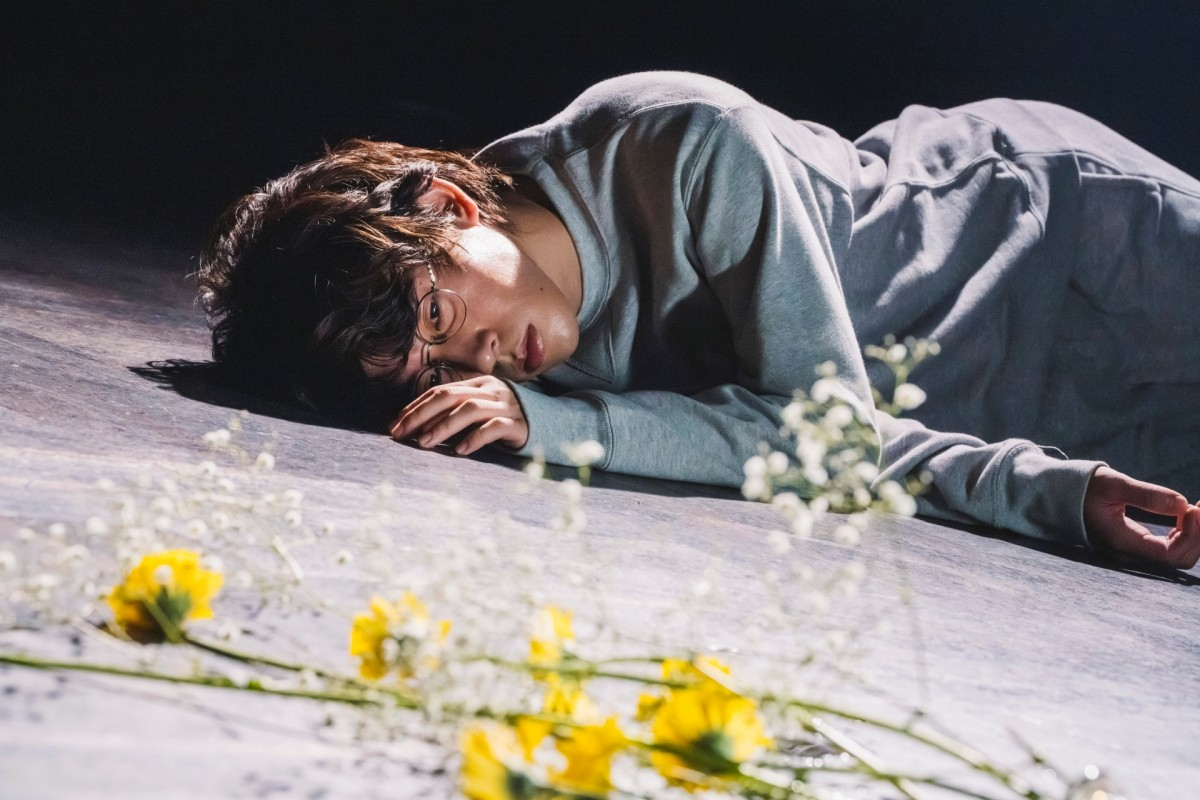
Before his major film leap, Seiya took on his first leading television role in “Kanojo to Kareshi no Akarui Mirai” (A Bright Future for Her and Her Boyfriend), a seven‑episode late‑night drama that blends romance with a sci‑fi twist. He stars as Ichiro Aoyama, a mild‑mannered elementary school teacher who sees his world crumble after discovering his girlfriend’s past through a mysterious VR device. The series explores the fragility of love and self‑acceptance, and asks an unsettling question: if you could know everything about the one you love, would you still be able to stay?
For Seiya, the role marked a striking departure from his familiar high‑energy idol image. As Ichiro, he strips himself down to stillness and restraint, portraying a man whose emotions live behind lowered eyes and hesitant movements. He was praised for his ability to convey vulnerability through silence — the “dead‑eyed” exhaustion, the small flinches, the moments where words fail him entirely. Across the series, his performance unfolds with careful precision, allowing Ichiro’s inner collapse to surface gradually rather than explosively.
Through Ichiro, Seiya delivers a nuanced and heartfelt performance that balances innocence, humor, and deep emotional pain. His portrayal captures the awkward sweetness of a man who adores too deeply, while revealing the quiet turmoil beneath the surface. Across its seven episodes, Seiya’s ability to convey subtle emotional shifts—especially in silence—stands out as one of the drama’s greatest strengths. The chemistry between him and co‑star Nagisa Sekimizu (Yukika) drives the story’s tension, transforming a seemingly simple romance into a layered reflection on memory, identity, and love’s imperfection.
Critics and fans alike praised Seiya for bringing unexpected depth to the role, noting how completely he disappears into character. His natural presence and expressive control blur the line between actor and role, making viewers forget that he isn’t truly Ichiro. He finds the point where the character’s fragility intersects with his own sincerity, and builds from there. That balance—between control and exposure, distance and empathy—became one of the drama’s greatest strengths. Just as he commands attention on stage through song and movement, Seiya brings that same magnetism to the screen, proving that his charisma transcends performance styles.
There were scenes chaotic, painful, and achingly realistic that pushed both actors to their emotional limits, with Seiya conveying Ichiro’s vulnerability with striking restraint, capturing the quiet panic of someone on the verge of losing the one place where he feels accepted.
What emerged was not a glamorous performance, but a profoundly human one. In hindsight, Kanojo to Kareshi no Akarui Mirai stands as a quiet but decisive breakthrough—proof that Seiya’s expressive power extends far beyond the stage, and that his future on screen is only just beginning.
Variety / Drama Hybrid: “真夜中の社内恋愛” — Creator Dragon (2024)
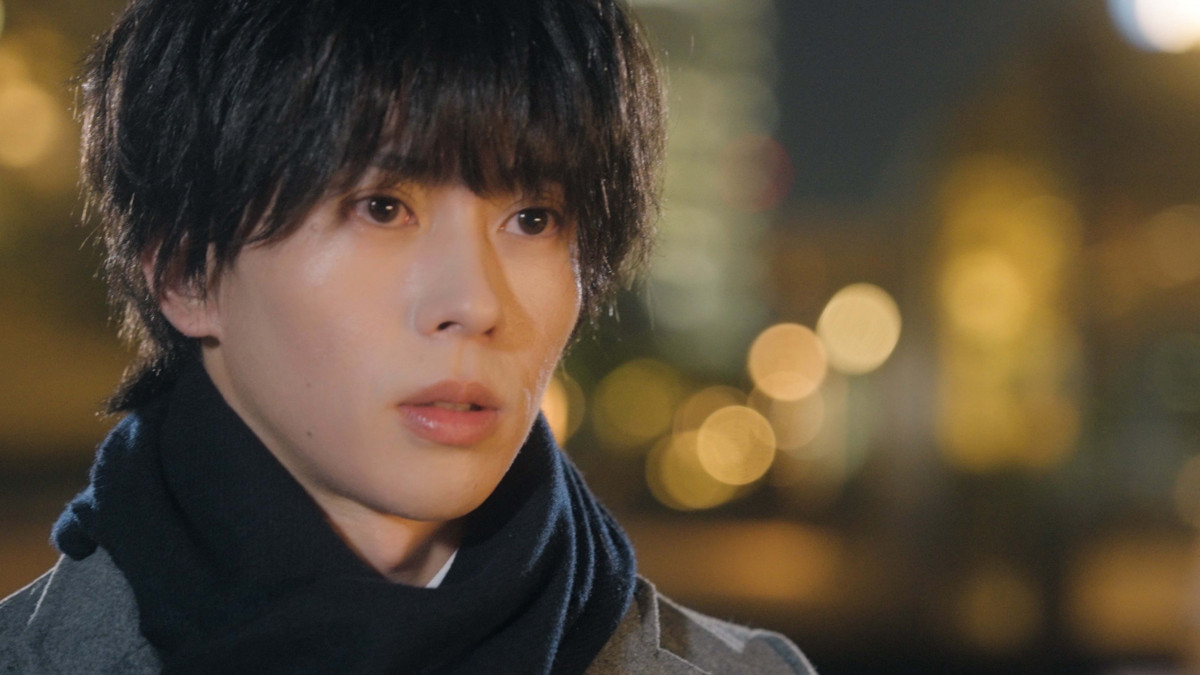
In late 2024, Seiya appeared across two consecutive nights on Nippon TV’s experimental late‑night program Creator Dragon, starring in the drama‑variety hybrid segment “真夜中の社内恋愛 (Midnight Office Romance).” Built on real women’s imagined workplace romances, the project reconstructs a parallel‑world version of Seiya as an advertising agency employee, dramatizing idealized office scenarios down to gestures, outfits, roles, and fleeting moments of closeness.
Rather than leaning into parody, Seiya approached the concept with sincerity and quiet self‑awareness, portraying a version of himself filtered through others’ expectations. His understated reactions—slight embarrassment, gentle humor, and an ability to play along without irony—made the segment feel oddly intimate, blurring the line between fantasy and realism. The result was not a typical idol skit, but a soft, observational piece that highlighted Seiya’s adaptability as a performer and his comfort inhabiting grounded, everyday roles.
Musical: “The Three Musketeers” (2024)
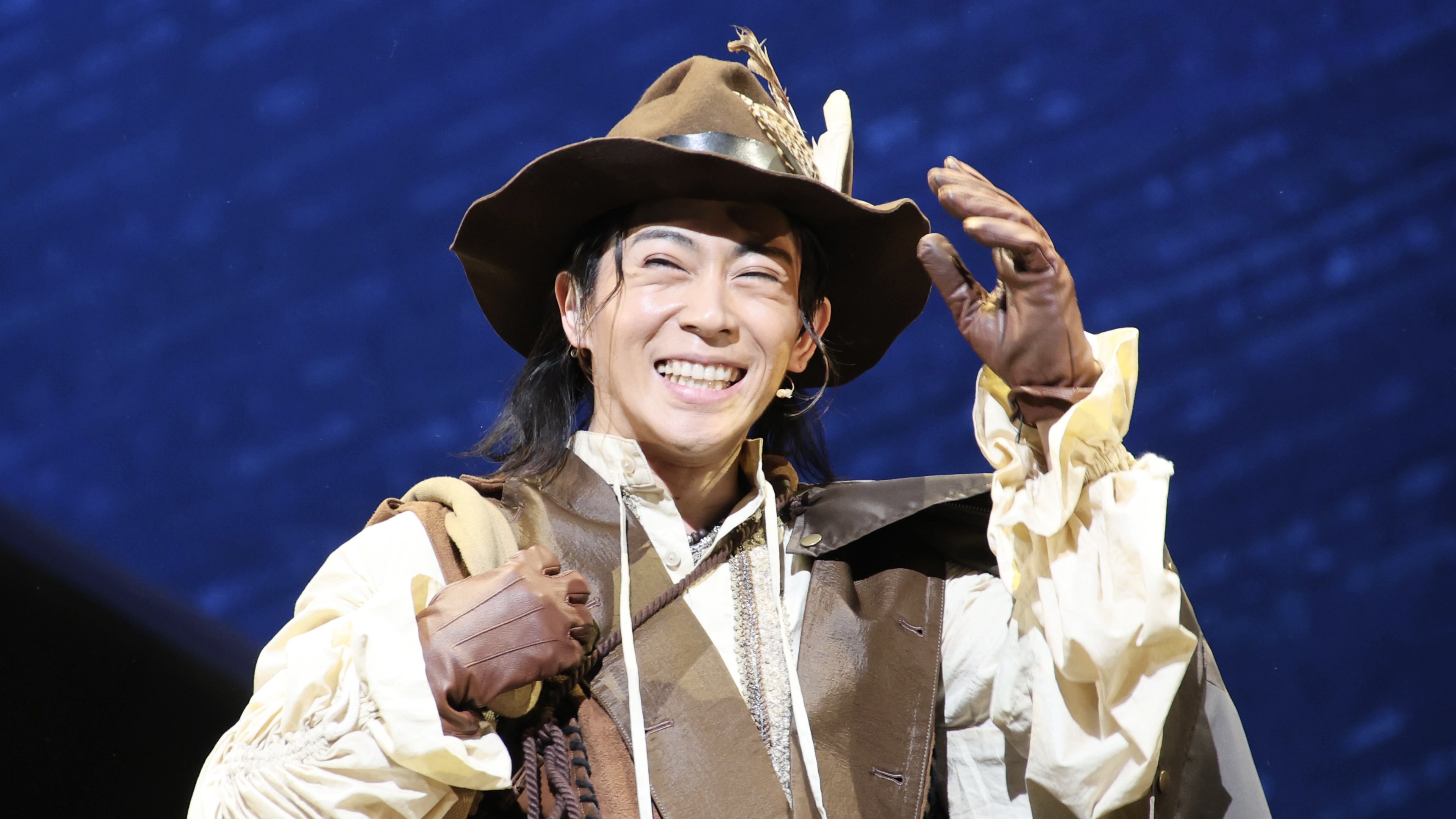
From September through October 2024, Seiya stepped into one of literature’s most iconic roles—D’Artagnan—in the Japanese staging of the musical The Three Musketeers. Directed by Phillip McKinley (known for THE BOY FROM OZ, the Japanese production of Mozart, l’opéra rock, and Spider-Man: Turn Off the Dark), this large‑scale revival brought Alexandre Dumas’ classic swashbuckling tale back to major theaters in Tokyo, Hiroshima, and Osaka, demanding a rare balance of physical stamina, vocal strength, and emotional clarity from its cast.
Sharing the stage with veteran performer Masayuki Sakamoto as Athos, Seiya reunited with someone he greatly respects, whom he had previously worked alongside in THE BOY FROM OZ. This second collaboration allowed him to step into a role that demanded athleticism, emotional sincerity, and youthful bravado, while building on an existing sense of trust and theatrical chemistry.
Seiya expressed his excitement about returning to McKinley’s direction, having previously worked with him on THE BOY FROM OZ, and spoke warmly about reuniting with Masayuki. His comments reflected both humility and eagerness: a desire to bring freshness to D’Artagnan’s journey, to capture the bonds of friendship with the Musketeers, and to portray the youthful earnestness that defines the character.
Critics and audiences alike praised Seiya’s ability to stand shoulder-to-shoulder with seasoned performers, noting his seamless integration into the ensemble and his natural command of the stage.
Seiya’s portrayal of D’Artagnan was widely recognized for its youthful vigor, emotional authenticity, and technical precision. From his trembling, impassioned entrance as a headstrong young swordsman to the quiet confidence he carried by the finale, his performance captured the character’s evolution with striking clarity.
His agile swordplay and demanding choreography showcased remarkable physical growth, while his resonant, refreshed vocal tone balanced brightness with strength—allowing him to shine in both ensemble numbers and solo moments without overpowering those around him.
More than a display of technique, Seiya embodied D’Artagnan’s idealism with sincerity. His performance elevated the energy of the production through charisma and presence alone, earning praise for its beauty, stamina, and emotional honesty.
While Mentor will reveal his depth on screen, The Three Musketeers stands as a defining stage role—one that demonstrates not only his versatility, but why this period marks a true expansion of what Seiya is capable of as an actor and performer.
Music and Tour: His “D.N.A”

On stage, Seiya performs the same way he lives—with nothing held back. Every song becomes a declaration of pride, a battle cry, and a promise to himself that he will never waste a single chance.
The same stubborn determination that defined his early years rises in his voice, sharp and unbreakable, as if he is singing from the very edge of his life.
Something that many who have experienced seeing Seiya perform in person can agree on is: no matter the size of the venue, Seiya fills the space with presence alone—that rare ability to make the world feel small enough to contain only him.
Seiya’s vocal and performance power is also unmistakable in key Ae! group tracks like “PRIDE,” “《A》BEGINNING,” and “Hoko,” all songs that are ultimately curated to highlight and take advantage of his unique vocal prowess that stands out in his generation.
In “PRIDE,” he ignites the chorus with razor‑sharp high notes and emotional grit, delivering the song’s message of perseverance with electrifying clarity. Often regarded by fans as his song, “PRIDE” functions almost like an origin point for Seiya’s artistry: a rock‑driven anthem where his voice dominates the emotional landscape, carrying much of the song’s melodic weight. His fragile yet powerful tone—capable of explosive high notes and sustained intensity—transforms the track into a declaration of intent, reflecting his non‑linear journey as a late bloomer who refused to give up. More than a performance, it becomes a personal manifesto, encapsulating Seiya’s pride, resilience, and unyielding spirit, and cementing the song as a defining symbol of both his role within Ae! group and his identity as an artist. And fans are forever grateful he stayed, and many would agree that Ae! group’s pride isn’t just the song, but Seiya himself.
In the debut single “《A》BEGINNING,” Seiya’s bright, resonant belts and confident ad‑libs form the backbone of the track’s explosive energy—setting the sonic blueprint for what Ae! group represents. The song’s aggressive brass hits, swaggering choreography, and rock‑inflected vocal lines demand a frontman capable of cutting through the mix, and Seiya delivers with ease. His high-range belts slice cleanly across the instrumentation, while his ad‑libs sharpen the song’s attitude and theatricality. Live, he anchors the performance with stage presence that feels both triumphant and urgent, transforming 《A》BEGINNING from a debut into a declaration.
“Hoko,” meanwhile, captures Seiya at his most raw and liberated—a roar born from years of restraint. While the song surges with aggressive band energy, his vocal delivery balances power with control, moving between forceful belts and deliberately restrained phrasing that adds emotional weight beneath the chaos. Rather than simply overpowering the track, Seiya shapes it from within, using warmth, grit, and instinct to transform the song into an expression of release, resolve, and earned freedom.
One of the most striking showcases of Seiya’s vocal mastery came in 2025 with the unplugged version of “Shiawasemon.” Stripped down to its most intimate form, the acoustic arrangement places his voice unmistakably at the center — not as a display of power, but as a quiet act of trust. Every detail becomes audible: the steadiness of his breath, the clarity of his tone, the way his phrasing softens and tightens with emotion. His higher register — bright yet fragile, never forced — rises naturally as the emotional peak of the performance, carrying a vulnerability that contrasts sharply with his usual fiery delivery.
What this performance ultimately reveals is that Seiya’s vocal depth extends far beyond the surface‑level idea of versatility — beyond simply being able to sing both rock anthems and ballads. His voice is often joked about as being loud, especially in variety settings where he leans into that trait with ease, but integrating a voice that is so fundamentally distinct into such a wide range of genres requires far more than volume or practice alone. Seiya does this instinctively. Whether through innate musicality or the grit forged through years of perseverance, he adapts without dulling his own color, allowing his voice to sit naturally within any arrangement while still remaining unmistakably his.
Listeners repeatedly cite this moment as the point where the song breaks open — where something deeply personal slips through. The response spoke volumes: fans from outside the fandom described being drawn in by his voice alone, some discovering Ae! group for the first time through this performance and wondering aloud how they had missed him until now. It reaffirmed what long‑time fans have always known — Seiya’s voice doesn’t just perform; it resonates. And once it does, it lingers, quietly staying with you long after the final note fades—the same resonance that has followed him from “PRIDE,” through every stage, and into every role he takes on.
Adding to this intimacy is Seiya’s performance on the blues harp, whose wistful tone intertwines with his vocals, amplifying the song’s raw sentiment. In this arrangement, Seiya doesn’t simply sing the melody — he carries the emotional weight of the entire piece, guiding the harmonies and shaping the song’s arc with instinctive musical intelligence. The inclusion of this skill has become something fans eagerly anticipate each tour — waiting to see which songs will be newly arranged to let his blues harp sing once more.
Seiya’s strength on stage extends just as powerfully into dance—a discipline that has shaped his relationship with rhythm long before his voice ever filled arenas. Having begun dancing in elementary school, he continued to refine his movement through years of uncertainty, when debut was not guaranteed and effort was the only thing he could control. That persistence was eventually recognized by Tomoyuki Yara, who singled him out and placed him onstage as a back dancer for Yuma Nakayama, marking a quiet but decisive shift in his trajectory.
His background in tap dance also gives his sense of rhythm a distinctive sharpness—a skill that has become part of Ae! group’s musical language itself. In “Neon Light,” his tap footwork is woven directly into the choreography and song, functioning almost like live percussion and allowing Seiya’s movement to punctuate the beat with sound as well as motion. Rather than treating dance as something separate from music, Seiya internalizes it—turns landing like beats, steps punctuating phrases with intention.
That same rhythmic instinct is what later led to his selection—alongside Keita Richard Kusama—as a Special Supporter for the 2025 STOMP Japan Tour. Experiencing STOMP, a production built entirely on movement and percussive sound, felt less like a departure and more like a return to Seiya’s foundations. His admiration for its balance of delicacy and power mirrors his own performance philosophy: rhythm not as decoration, but as structure. From tap floors to rock stages to STOMP’s industrial percussion, Seiya’s journey reveals a single through‑line—rhythm living in the body first, and everything else growing from there.
Variety Sense — Timing, Wit, and Kansai Instinct
While Seiya’s artistic growth is most often discussed through music and acting, his variety sense is just as essential to understanding why he resonates so widely. In the fast-paced, chaotic ecosystem of Japanese variety television, Seiya thrives not by forcing punchlines, but by reading the room with near-instinctive precision. His humor is built on timing: a perfectly placed tsukkomi, an exaggerated reaction delivered half a beat late, or a sudden shift from bravado to self-deprecation that reframes an entire segment.
From Ae! group’s flagship programs like Q&Ae! to travel and talk-based formats, Seiya consistently proves himself a true “variety brain” performer—someone who understands structure, escalation, and payoff. His naturally high-pitched voice cuts cleanly through studio noise, his expressions are immediate and unfiltered, and his willingness to embrace mishaps turns even bad luck into comedy. What might be humiliating for others becomes charming in his hands, because he never places himself above the joke.
What truly sets Seiya apart is the balance he maintains between humor and heart. Even within exaggerated skits, there is a quiet attentiveness to how others are feeling — protective when needed, teasing when appropriate, and instinctively supportive when the spotlight shifts away from him. That duality mirrors his stage presence: explosive on the surface—much like a cherry tomato—grounded in empathy underneath. It’s why his comedy never feels mean-spirited, and why his reactions so often become the emotional anchor of a segment.
In many ways, Seiya’s variety skill is simply another expression of the instincts that define him as a performer. He listens. He adapts. He commits fully. Whether carrying a chorus, leading a dramatic scene, or reacting to an absurd challenge, his sense of rhythm — emotional as much as musical — keeps everything moving. It’s this instinctive timing, honed through years of Kansai-style banter and relentless stage experience, that makes Seiya not just entertaining to watch, but impossible to ignore.
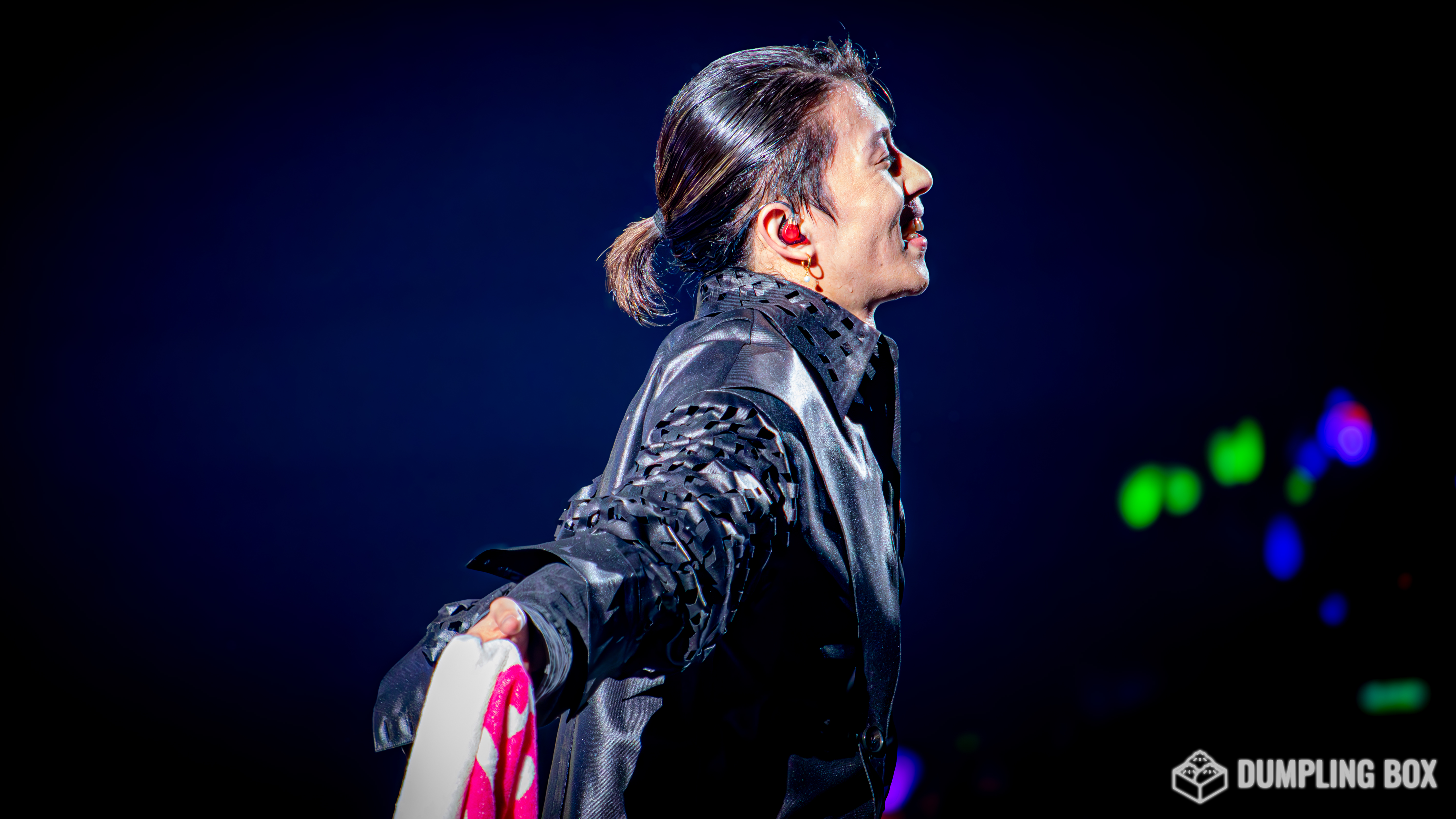
Seiya Suezawa stands today as one of this generation’s most dynamic performers—a vocalist, dancer, and actor whose artistry is driven by pride, instinct, and an unshakable refusal to hold anything back. An idol at heart and a one-of-a-kind presence, Seiya goes with pride only in ways that feel true to him—and that quiet conviction is exactly what makes him impossible to look away from.
Don’t forget to follow Ae! group on all their official accounts to keep yourself updated with the recent news!


For fans overseas, you can order your copies of the live tour at CD Japan!
Bundle (DVD / Blu-ray), Limited Edition (DVD / Blu-ray), Regular edition (DVD / Blu-ray).


For fans overseas, you can order your copies of the debut tour at CD Japan!
More Ae! group on Dumpling Box








Something went wrong. Please refresh the page and/or try again.